Knowledge Networking Portal for Sustainable & Responsible Tourism


 Flora and Fauna on Langtang Valley Trek
Introduction: Discovering the Biodiversity of Langtang Valley Trek
Ready to get lost in nature near Kathmandu? The Langtang Valley Trek in Nepal pulls you right into the heart of the Himalayas, where the wild is still wild. You start out in Syabrubesi, about 1,500 meters up, and almost as soon as you hit the trail, you’re surrounded by thick forests. Red pandas sneak through the bamboo, birds dart overhead, and honestly, there’s something new around every bend. The higher you go, the more you realize just how alive these mountains are.
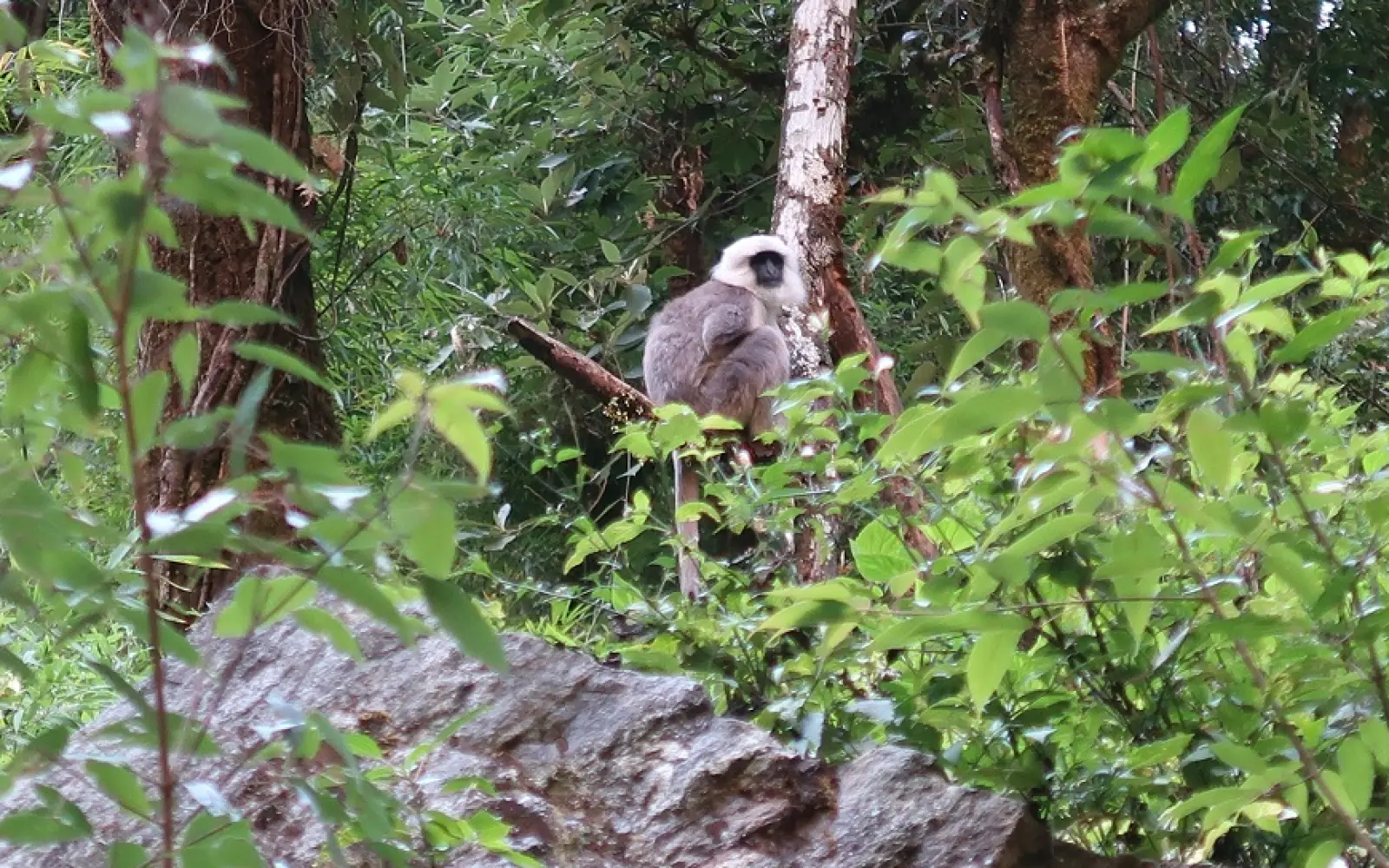
One of the first real stops is Lama Hotel, sitting at 2,470 meters. It’s a great spot to catch your breath—and maybe catch a glimpse of a musk deer or some langur monkeys hanging out in the trees. The trail isn’t just about animals, though. The local Tamang culture is woven through the whole experience, from tiny villages to prayer flags fluttering in the wind.
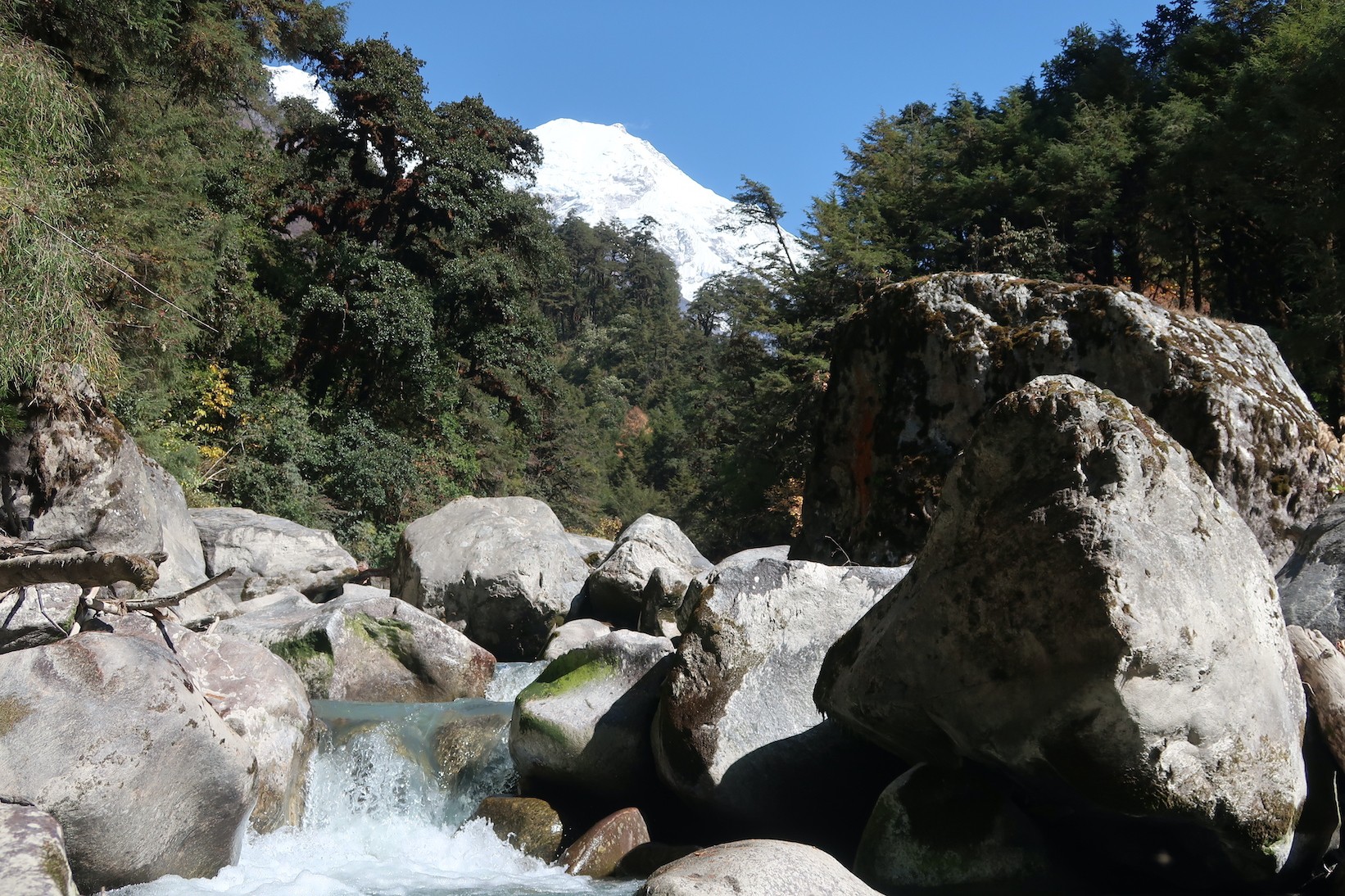 Actually, Langtang Village sits higher still, at 3,430 meters, and here the landscape really opens up. Alpine meadows, wildflowers, and if you’re lucky, snow leopards stalking the rocky hills. There are over 250 bird species recorded in the area, so birdwatchers, bring your binoculars. Along the way, you see firsthand what it takes to keep these rare animals safe—there’s a real focus on conservation here.
Eventually, you reach Kyanjin Gompa at 3,870 meters. The view? Jaw-dropping. Langtang Lirung towers above you, and glaciers shimmer in the distance. You might spot Himalayan tahr clinging to the cliffs. It’s the kind of place that makes you stop and just soak it all in, especially with the ancient monastery right there, adding a spiritual touch to the wild scenery.
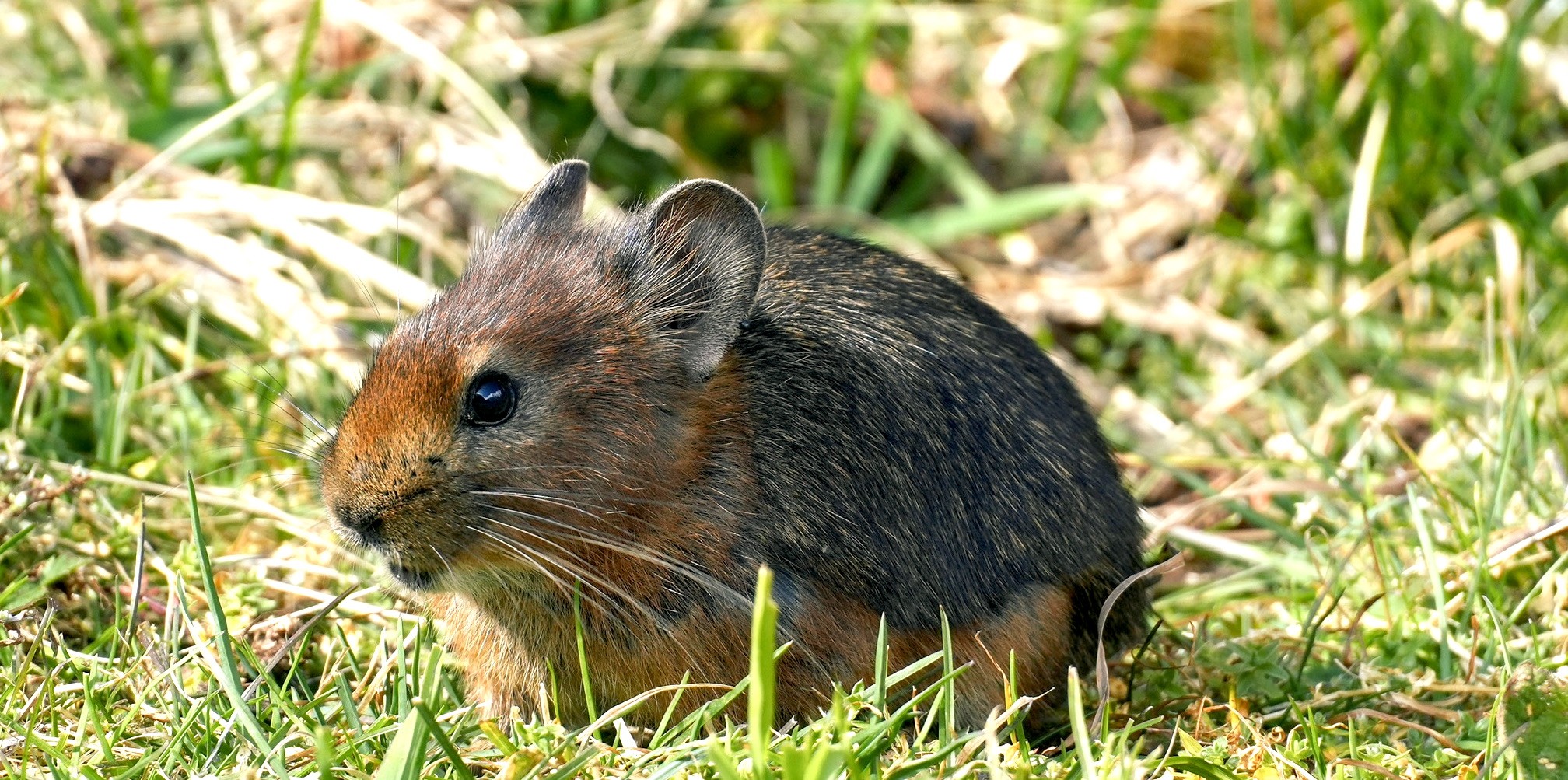
If you’re up for a little extra adventure, a side trip to Tserko Ri (5,033 meters) lets you push even higher. Up here, pikas and marmots scurry across the tundra, and the air feels almost otherworldly. All of this—permits, food, and guides—comes in around $600 to $900 for a week or so. For anyone who loves big landscapes and wild creatures, it’s worth every penny. Here, the Langtang trek does more than just lead you through stunning landscapes—it actually encourages sustainable tourism. Local guides don’t just show you the way; they share stories about the region’s biodiversity and the work going into red panda conservation, all while you’re surrounded by blooming rhododendrons. If you love wildlife photography, you’ll find plenty of chances to snap some amazing shots as the terrain shifts from lush forests to rocky slopes. Honestly, this adventure isn’t just a hike—it’s a real connection to the wild heart of the Himalayas.
In fact, biodiversity changes with the seasons here, and that’s part of the fun. Spring is all about bright flowers and flocks of migratory birds at the lower altitudes. Come autumn, the skies clear up, and you’ve got a better shot at glimpsing rare mammals. Time your trek right, and you’ll see the valley at its best.
Moreover, getting to Langtang Valley is pretty straightforward if you’re coming from Kathmandu, which sits at 1,400 meters. It’s a seven-hour drive, and once you’re there, you’re right in the thick of things—a perfect setup for beginners who want to dip their toes into Himalayan biodiversity. The cost covers your meals and a spot in a cozy teahouse, so you get a deep dive into nature without breaking the bank.
When you reach the end of the trail, it’s hard not to think about what you’ve just experienced. You see firsthand how earthquakes reshaped the valley, and how the community and conservation efforts have brought new life to the area. These initiatives are there to protect Himalayan wildlife, making sure future generations get to experience the same magic. Honestly, this journey just scratches the surface of what Langtang has to offer.
Here are some biodiversity highlights you’ll find along the trek:
- Red Pandas: Spot these endangered creatures in the bamboo forests between 2,000 and 3,000 meters. They really capture the spirit of Langtang’s wildlife.
- Snow Leopards: If you’re lucky, you might catch a glimpse of these elusive cats up in the rocky areas above 4,000 meters. It’s a thrill every time.
- Himalayan Tahr: Look for these sure-footed animals near cliffs around Kyanjin Gompa (3,870 meters). They’re a great example of how wildlife adapts to the mountains.
- Birdlife: Over 250 bird species—think pheasants, eagles, and more—make birdwatching along the trail a real treat.
- Musk Deer: Keep an eye out for these shy animals in the temperate forests near Lama Hotel (2,470 meters). They add to the trek’s rich mammal diversity.
- Flora: The trek winds through rhododendrons and pine forests starting from Syabrubesi (1,500 meters), supporting a vibrant ecosystem every step of the way.
Overview of Langtang National Park: A Heaven for Himalayan Wildlife
Here’s a quick look at some of the park’s standout wildlife and where you’ll find them:
| Wildlife Species | Preferred Habitat | Elevation Range | Conservation Status |
| Red Panda | Temperate bamboo forests | 2,000m-3,000m | Endangered |
| Snow Leopard | Rocky alpine zones | Above 4,000m | Vulnerable |
| Himalayan Black Bear | Subtropical and temperate woods | 1,000m-3,000m | Vulnerable |
| Musk Deer | Dense undergrowth forests | 2,500m-3,500m | Endangered |
| Himalayan Tahr | Steep cliffs and meadows | 3,000m-5,000m | Near Threatened |
| Danphe (Himalayan Monal) | Alpine grasslands | 2,500m-4,500m | Least Concern. |
Actually, Langtang National Park is Nepal’s first protected Himalayan wildlife area, and honestly, it’s something special. Since 1976, it’s stretched across 1,710 square kilometers in the heart of Rasuwa, Nuwakot, and Sindhupalchok districts. You’ll find a wild mix of landscapes here—lush forests, rocky peaks, and everything in between. And it’s not just about the scenery. The park is a safe haven for endangered animals and draws nature lovers who want to see real biodiversity up close. Moreover, the park’s got some serious altitude. Down in the subtropical valleys, you’re at 1,000 meters, but if you make it all the way up to Langtang Lirung, you’re standing at 7,245 meters. That range creates all sorts of habitats, from thick rhododendron forests to open alpine meadows. Red pandas hide out in the trees, and Himalayan black bears roam these woods. The place buzzes with life.
If you’re into wildlife, you’re in for a treat. Langtang shelters more than 46 kinds of mammals and around 250 different bird species. Snow leopards prowl the rocky cliffs above 4,000 meters, while musk deer and langur monkeys hang out in temperate forests lower down. It’s this crazy variety that makes Langtang such a standout for Himalayan wildlife.
 But there’s more to Langtang than just animals. Sacred lakes like Gosainkunda sit at 4,300 meters, bringing together natural beauty and deep cultural roots. Pilgrims and trekkers both flock here, and those glacial lakes support all sorts of aquatic life. Around the park, a 420-square-kilometer buffer zone helps local communities take part in conservation work. That keeps things in balance—for people and for wildlife.
Likewise, the plant life is just as rich. Fourteen different vegetation types span eighteen ecosystems. Oaks and pines fill the lower hills below 2,000 meters, while tough alpine shrubs hang on near the glaciers up high. This diversity of plants feeds the whole chain of Himalayan wildlife. Langtang National Park isn’t just a park—it’s the real deal for anyone who wants to see wild Nepal.
Further, poaching is a real threat here, always testing the park’s efforts to keep its wildlife safe. Rangers head out on patrol, looking out for animals like the Himalayan tahr. When foreigners pay the $26 entry fee, that money goes straight into keeping the park running. So, every visit actually helps protect this place.
In fact, Langtang National Park shifts with the seasons. Monsoon rains turn the lower forests into a jungle of bright plants, while winter snow pushes animals down into the valleys. These changes shape the whole ecosystem, showing off just how much life here can adapt.
More importantly, there’s a lot of research happening, too. Scientists track endangered species—like the red panda—and use what they learn to guide conservation work all over the world. Locals pitch in through eco-tourism, which helps keep the park sustainable. Because of this teamwork, Langtang stands out as a model for Himalayan conservation.
Here, the park’s bounce-back after the 2015 earthquake says a lot. Trails have been rebuilt, and the forests and wildlife are coming back strong. Looking ahead, the focus is on habitats that can handle new climate challenges. All in all, Langtang’s story makes you want to fight for Nepal’s wild places.
Trekking Through Rhododendron and Bamboo Forests: Floral Wonders Along the Trail
As you start the Langtang Valley Trek near Syabrubesi (1,500m), you dive straight into a world of rhododendron forests. In spring, these woods explode with shades of pink, red, and white. Bamboo pops up everywhere too, weaving through the undergrowth and making the forests feel alive. Right from the beginning, the trail throws all sorts of Himalayan flora at you—no waiting around.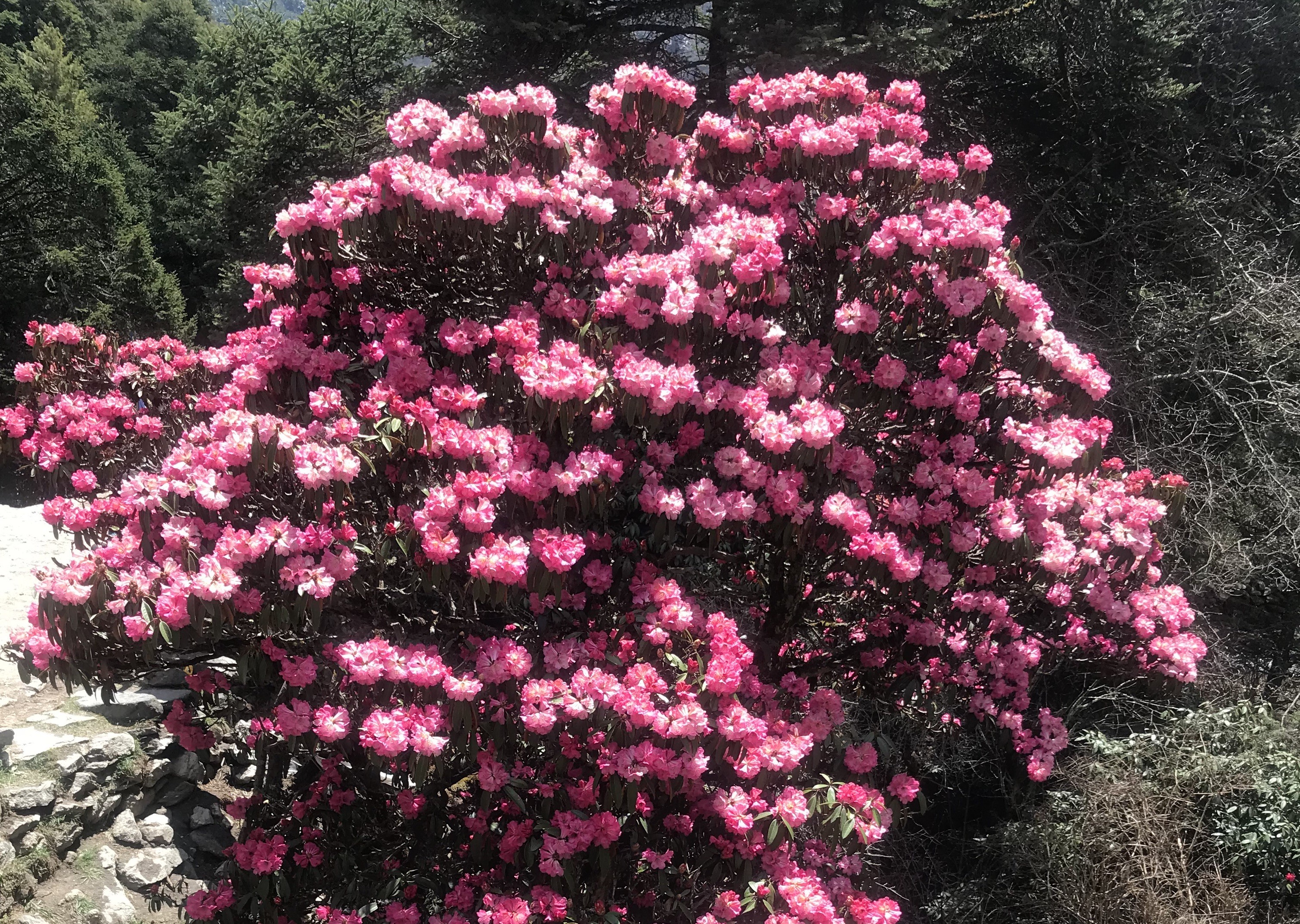 Moving higher, the path climbs through oak and pine mixed with even more rhododendrons on the way to Lama Hotel (2,470m). Waterfalls tumble down through the greenery, and the bamboo stretches over the trail, offering cool shade and shelter for all sorts of wildlife. You don’t just walk through these forests—you’re right in the middle of everything: vibrant plants, rushing water, birds darting through the leaves.
Here, hit the Langtang trail in March to May, and you’ll catch the rhododendrons at their best. The higher you go, the more the landscape changes. Bamboo dominates the lower slopes, thick and green, while higher up, the flowers and plants shift with the elevation. If you love photography or just stopping to stare, you’ll have plenty to look at.
Likewise, near Ghoda Tabela (3,000m), the bamboo gets especially thick. Here, the rhododendrons start to thin out, and you see alpine plants take over. The changes happen almost without you noticing—one moment you’re under a green canopy, the next you’re out among tough little mountain flowers. The trek really gives you a front-row seat to these shifts.
Around Langtang Village (3,430m), the rhododendrons are at their brightest, the colors popping against the sky. Bamboo forests here hide rare birds and animals, and the higher you climb, the more you see how plants adapt to the cold. It’s hard not to stop every few minutes just to take it all in.
Further, the trail keeps surprising you with mixed forests of rhododendron and bamboo on the way to Kyanjin Gompa (3,870m). Depending on the season, you might spot wild orchids or ferns tucked among the trees. You’ll also pass terraced fields and villages, where nature and culture blend together in a way that just feels right.
Back down below 3,000m, the bamboo thickens up again. Rhododendrons throw splashes of color against snowy peaks, and every year, plant lovers flock here just to see it all. The trek isn’t just about the views—it’s a living example of eco-tourism, with locals and visitors working to keep it all thriving.
Go even higher, up near Tserko Ri (5,033m), and the forests fade. You’ll find scattered rhododendron shrubs and tough alpine meadows. The bamboo’s gone, but the plants that remain have learned how to survive up here. There’s something inspiring about the way life hangs on, even in the harshest places. Walk this trail, and you don’t just see the Himalayas—you learn what it takes to survive and thrive here.
When you head back along the return trail, you start to see the rhododendron and bamboo forests with fresh eyes. These bursts of color and greenery really stick with you. Honestly, the Langtang Valley Trek isn’t just about the walk—it's about soaking up all that natural beauty. The Langtang trek usually costs somewhere between $700 and $1,000, and that includes guides who can point out all the floral highlights along the way. It’s one of those adventures that makes you feel truly connected to Nepal’s wild side.
If you’re curious what makes the trek through these forests so special, here are some of the floral wonders you’ll find along the Langtang Valley:
- Rhododendron Blooms: Big, bold pink and red flowers light up the forests from Syabrubesi (1,500m) to Lama Hotel (2,470m), especially in spring. The colors are unreal.
- Bamboo Groves: Below 3,000 meters, thick bamboo covers the ground. It’s shady, cool, and packed with wildlife.
- Oak and Pine Mix: Near Ghoda Tabela (3,000m), you’ll see oaks and pines mixed in with the rhododendrons. That combination creates a layered, super-rich ecosystem.
- Alpine Meadows: Once you’re above 3,500 meters near Kyanjin Gompa (3,870m), the forests open up into meadows filled with hardy mountain flowers.
- Orchids and Ferns: In the bamboo forests, look for orchids and ferns popping up in the understory. These little surprises add a lot of variety to the scenery.
- Waterfall-Enhanced Scenery: Sometimes, you’ll come across waterfalls framed by rhododendron blooms. It’s the kind of spot that makes you want to stop, breathe, and just take it all in.
Spotting the Elusive Red Panda: Real Encounters in the Wild
Here, you’re hiking through Langtang Valley, the air crisp, bamboo brushing your boots. Suddenly, there it is—a flash of russet fur high up in the trees. Red pandas live here, tucked away in the temperate forests between 2,500 and 3,500 meters. They’re shy, especially at dawn, but if you’re patient, you can catch these little acrobats climbing quietly through the branches.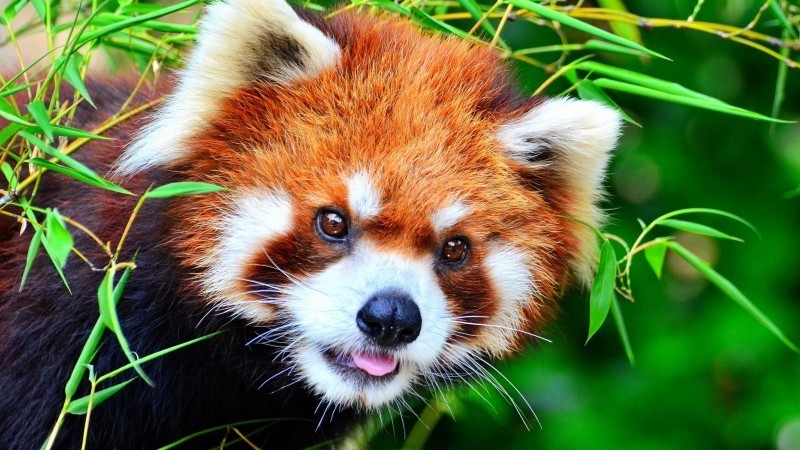 Moreover, local guides know all the best spots—places like Pangbu Danda at 3,500 meters. They’ll lead you through dense undergrowth, tracking paw prints and rustling leaves. Langtang Valley has some of the highest chances to spot these endangered creatures in the wild, and having a guide really ups your odds.
Moreover, you’ll find red pandas especially where bamboo mixes with rhododendrons near Mangingoth. The trick? Stay quiet and keep your distance. You might even spot musk deer wandering nearby. Moments like these really drive home just how important conservation is in this region.
In fact, Spring and autumn are the best seasons for wild encounters and for Langtang Valley Trek. Red pandas are usually out foraging for bamboo leaves at mid-elevation. Keep your eyes on the treetops—sometimes all you see is a tail or a curious face peeking down.
The best habitats stretch from 2,200 to 4,000 meters. Local trackers, often from nearby villages, know these forests inside out. Every sighting feels rare, like you’re part of a secret club. It’s these moments that make the Langtang trek unforgettable.
Likewise, red panda spotting isn’t just about one animal—it’s part of a bigger Himalayan wildlife adventure. You might even catch a glimpse near the Nuwakot district, close to Kathmandu. Guides always stress ethical viewing: no loud noises, no chasing, just respect for the animals and their home. Responsible tours keep these encounters sustainable.
If you’re up early, Pake View Point at 3,500 meters is a favorite for sunrise—and for red panda sightings. Sometimes you’ll see langur monkeys swinging through the same bamboo groves. Langtang National Park protects all these species, and just by being here, you’re helping support their future.
More importantly, red panda Photography treks in Langtang usually run between $800 and $1,200, and that covers expert guides who really know their stuff. You’ll find some chances to spot them in Ilam, but honestly, Langtang is where things get exciting. Red pandas are shy, but if you stick with it, the reward is incredible—catching a glimpse feels almost unreal. Seeing them out there does more than just thrill you; it makes you care about their survival.
When you finally see a red panda in the wild, it sticks with you. You start thinking about what it takes to protect them. Wildlife up in the Himalayas faces real threats, but Langtang is still holding strong. Bamboo forests are everything for red pandas—they can’t live without them. All of this just pushes you to travel responsibly and respect the wild.
Here’s a quick look at where you can actually spot red pandas in Langtang Valley, plus some tips and what else you might see along the way:
- Location: Pangbu Danda (3,000–3,500m)
- Habitat: Bamboo forests
- Tip: Go with local guides at dawn—they know where to look.
- Other wildlife: Musk deer, langur monkeys
- Location: Mangingoth Regions (2,500–3,500m)
- Habitat: Temperate undergrowth
- Tip: Stay quiet and scan the treetops.
- Other wildlife: Himalayan tahr, wild boar
- Location: Pake View Point (3,500m)
- Habitat: Mixed bamboo and rhododendron
- Tip: Sunrise is the magic hour—watch for movement.
- Other wildlife: Ghoral, Himalayan brown bears
- Location: Nuwakot District Areas (2,200–4,000m)
- Habitat: Dense forests
- Tip: Keep your distance and follow the trackers’ lead.
- Other wildlife: Grey langur, lots of birds
- Location: General Langtang Trails (2,500–3,870m)
- Habitat: Alpine transitions
- Tip: Be patient, especially in spring and autumn.
- Other wildlife: Endangered mammals, high-altitude species
- Location: Kyanjin Gompa Vicinity (3,870m)
- Habitat: Sparse bamboo zones
- Tip: Take a guided tour for your best shot at rare sightings.
- Other wildlife: Himalayan black bears, tahr
If you’re hoping to spot a red panda, these are the places to go and the things to know. And every sighting reminds you just how important it is to protect their world.
Himalayan Tahr and Musk Deer: Majestic Mammals of the High Altitudes
Spot Himalayan tahr and musk deer on the Langtang Valley Trek. Watch these rare, high-altitude mammals in their wild Himalayan home—a real thrill for 2026 adventurers.
Here’s a quick look at some key mammals, where to find them, and what to look for on the Langtang Valley Trek:
- Mammal Species: Himalayan Tahr
- Preferred Habitat: Steep rocky slopes, alpine grasslands
- Elevation Range: 3,000m–5,000m
- Conservation Status: Near Threatened
- Sighting Tips: Get up early and scan the cliffs near Kyanjin Gompa (3,870m)
- Mammal Species: Musk Deer
- Preferred Habitat: Dense forests, alpine shrubs
- Elevation Range: 3,000m–4,000m
- Conservation Status: Endangered
- Sighting Tips: Move quietly in the undergrowth near Ghoda Tabela (3,000m)
- Mammal Species: Himalayan Tahr Herds
- Preferred Habitat: Open rocky terrains above the tree line
- Elevation Range: Above 3,500m
- Conservation Status: Near Threatened
- Sighting Tips: Watch the slopes as you climb toward Tserko Ri (5,033m)
- Mammal Species: Musk Deer
- Preferred Habitat: Forested transitional zones
- Elevation Range: 2,500m–4,000m
- Conservation Status: Endangered
- Sighting Tips: Look for pellet signs in shrubby areas
- Mammal Species: Himalayan Tahr
- Preferred Habitat: Rugged cliffs and meadows
- Elevation Range: 3,500m–5,000m
- Conservation Status: Near Threatened
- Sighting Tips: Bring binoculars for distant views
- Mammal Species: Musk Deer
- Preferred Habitat: Thick cover near water sources
- Elevation Range: 3,000m–4,000m
- Conservation Status: Endangered
- Sighting Tips: Try dawn or dusk observation with a local guide
Head up the Langtang Valley, and it doesn’t take long before you see Himalayan tahr moving across steep, rocky slopes just above the tree line. They stick together in groups, grazing anywhere from 3,000 to 5,000 meters. Around Kyanjin Gompa (at about 3,870 meters), tahr handle the rugged ground like it’s nothing. Trekkers often catch sight of them here, especially in the higher sections of the trail.
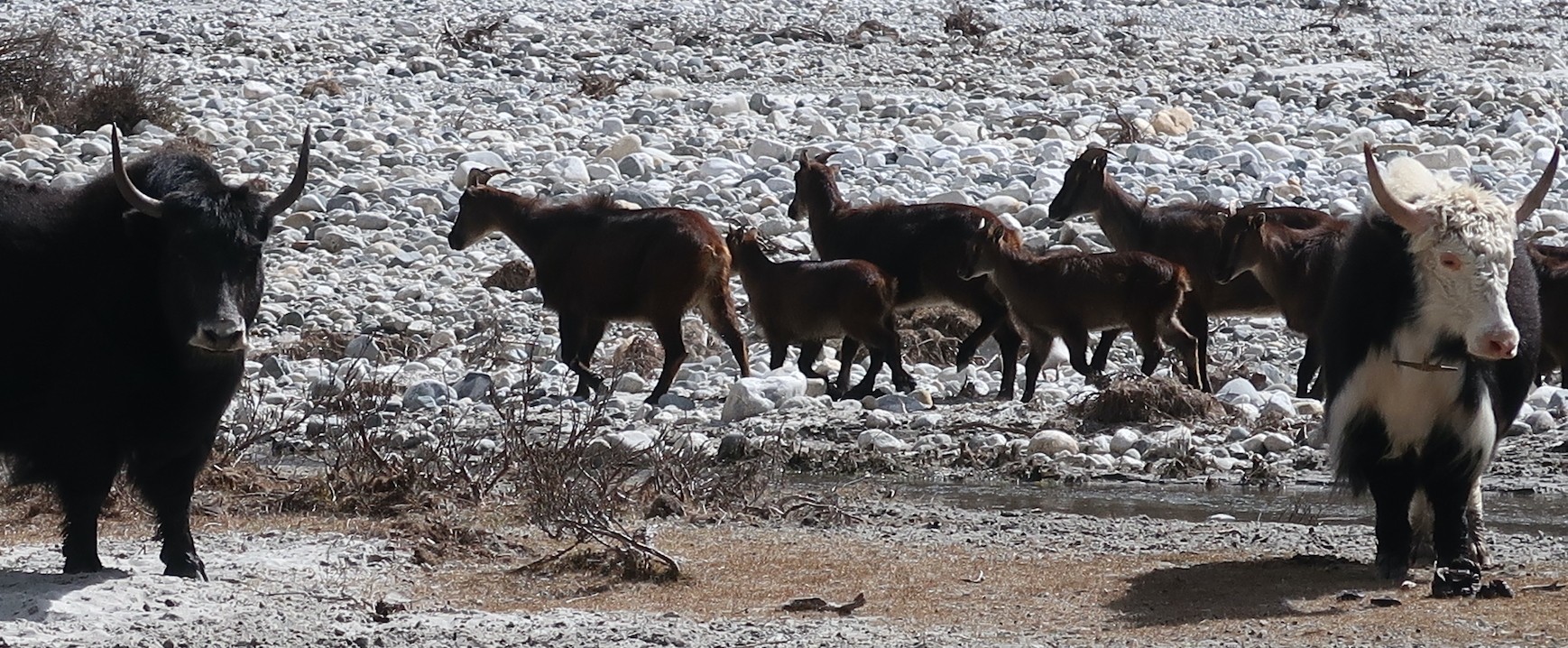 Further, musk deer keep to themselves, hidden in dense forests and alpine shrubs between 3,000 and 4,000 meters. You might spot one quietly nibbling at undergrowth near Ghoda Tabela. They’re endangered, which makes seeing one feel even more special—and reminds you how much these animals need protection. If you go with a guide, you really boost your chances of seeing how they act in the wild.
Likewise, climb higher, and you’ll see tahr scaling cliffs around Langtang Village (at 3,430 meters), barely breaking a sweat. Musk deer, on the other hand, like the thick forest cover—it's their safe zone. Both species seem right at home in these dramatic, high-altitude landscapes. This trek gives you a front-row seat to the action.
Moreover, keep your eyes open on the way to Tserko Ri (5,033 meters), where tahr hang out on rocky outcrops. Musk deer turn up in those in-between places where forest meets open meadow. Langtang National Here, the Langtang National Park protects these habitats, letting the animals thrive. Watching them in their element feels rewarding—and practicing a little respect and care while you observe helps keep their world intact.
Actually, Tahr show off their mountain skills on steep slopes above 4,000 meters, always moving with surprising agility. Musk deer have it tougher; poaching is a real threat, but they still survive in these remote heights. The landscape shifts with the seasons, changing where the animals roam. All this variety keeps the Langtang Valley Trek fresh and fascinating—every day out here brings something new.
Moreover, local guides do more than just lead the way—they know where to spot Himalayan tahr herds grazing in open grasslands. You’ll also come across musk deer signs—little piles of pellets—hidden in the thick shrubs. These big mammals aren’t just beautiful; they actually hold the whole high-altitude ecosystem together. Trekkers pick up a lot just by keeping their eyes open—there’s a real lesson in how Himalayan wildlife lives and survives up here.
Similarly, conservation teams are busy trying to save Himalayan tahr from losing their homes in Langtang. Musk deer get a break too, thanks to anti-poaching patrols watching the park’s borders. Up at these altitudes, both animals find some safety. That’s why, if you go about it the right way, seeing them feels like a real privilege.
If you want to add a wildlife-focused extension to your trek, expect to spend about $800 to $1,200. That covers expert trackers who know these mountains inside out. Watching Himalayan tahr and musk deer takes patience, but the payoff is huge. These creatures pretty much sum up what makes high-altitude trekking special. Honestly, coming face-to-face with them gives you a whole new respect for conservation.
Think about it: Himalayan tahr and musk deer survive some of the harshest conditions around. The Langtang Valley Trek throws a spotlight on just how important they are for the region’s biodiversity. Up here, every wildlife encounter feels different—rare, memorable, and worth protecting. It’s the kind of experience that sticks with you and reminds you why Nepal’s Himalayan wildlife matters.
Birdwatching Paradise: Over 250 Species to Spot on the Langtang Trek
Discover Langtang Valley Trek, where you can spot over 250 bird species—Himalayan monal, pheasants, and migratory birds—across Nepal’s wild habitats. Experience birdwatching like never before in 2026. 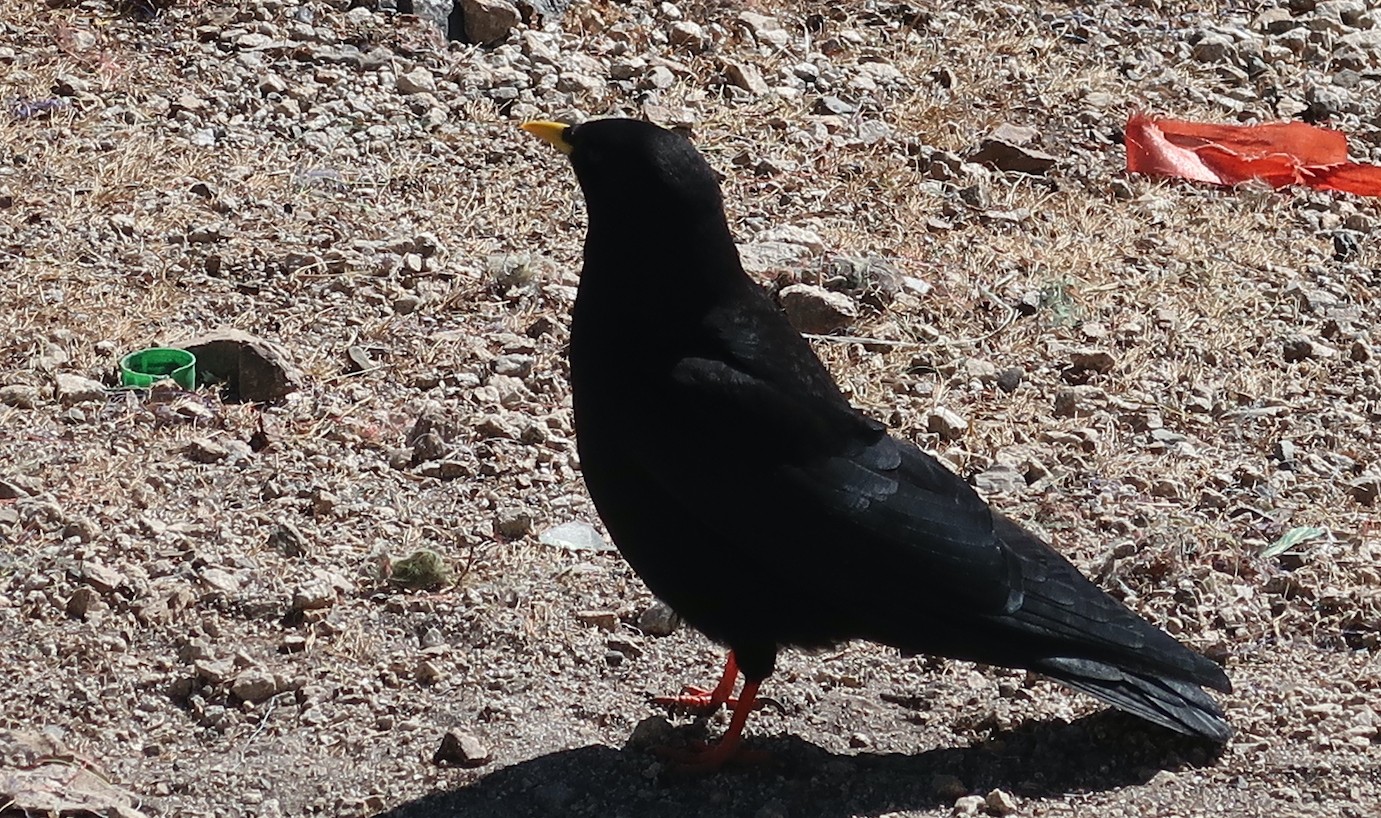
Here’s a quick look at some standout birds and top spots along the Langtang Valley Trek:
- Himalayan Monal: This shimmering pheasant hangs out on open slopes above 3,000 meters, especially near Langtang Village (3,430m). Catching a glimpse is a real highlight.
- Fire-tailed Sunbird: Watch for flashes of red and gold in the alpine meadows around Kyanjin Gompa (3,870m). They’re tiny, but unforgettable.
- Yellow-billed Blue Magpie: These bold, beautiful birds love the forests near Lama Hotel (2,470m). You’ll know them when you see them.
- Grandala: Brilliant blue thrushes that show up during migrations in the highest zones. They’re like jewels against the rocks.
- Verditer Flycatcher: Look for these turquoise wonders in the woodlands below 3,000 meters. They pop up all along the trail.
- Rufous-gorgeted Flycatcher: A favorite in the lower rhododendron forests near Syabrubesi (1,500m). Small, colorful, and always busy.
Meanwhile, Langtang Valley is a dream for birdwatchers. You’ll find more than 250 bird species as you trek, from the subtropical forests at the base to the windswept alpine meadows up high. Somewhere along the trails, the Himalayan monal flashes its rainbow colors—if you’re lucky, you’ll catch that shimmer in the upper reaches. Honestly, the sheer variety of birds turns every section of the journey into a new adventure.
Further, start out near Syabrubesi at around 1,500 meters, and you’ll spot forest birds like the rufous-gorgeted flycatcher. Hike during spring, and the rhododendrons explode with blooms and color, bringing even more birds into view. All along the way, trekking means you’re always just a few steps from your next bird sighting.
Likewise, climb higher to spots like Lama Hotel (2,470 meters), and the woods fill with birds like the verditer flycatcher. Above 3,000 meters, near the edge of the alpine zone, the Himalayan monal pops up again—sometimes right where the forests give way to open ground. If you time your trek with the seasonal migrations, you’ll see birds passing through that you won’t find any other time of year. There’s always something new to look at, whether you’re just getting into birdwatching or you’ve been doing it for years.
Moreover, push on towards Kyanjin Gompa, sitting at 3,870 meters, and you’ll catch glimpses of grandalas and fire-tailed sunbirds darting through the thin air. Out on the meadows, pheasants and accentors show off. When the autumn skies clear, the views (and the birdwatching) just get better and better—so don’t forget your camera.
Here, Langtang Valley Trek in Spring through Langtang National Park is special, though. New flocks arrive, and the whole valley seems to come alive. You might spot a monal feeding out on the open slopes, or stumble on a pocket of migratory birds resting along the route. Plus, the trek itself blends cultural stops with wild scenery, so you get a full picture of the Himalayas—birds, landscapes, and local life.
If you’re up early near Ghoda Tabela (3,000 meters), listen for bird calls echoing through the quiet valleys. Bring your binoculars—the action starts with the sunrise. Every day on the trail, something new flutters into view. Birdwatching here isn’t just a side activity. It’s the heart of the experience.
Additionally, Langtang National Park does more than just protect its forests — it’s a haven for bird lovers. You’ll find rare species like the Himalayan monal and tragopan here, both pretty tough to spot elsewhere. It’s not just about ticking birds off a list, either. This place turns visitors into conservationists. People pick up eco-friendly habits without even thinking about it, and that’s great news for the park.
If you’re thinking about adding a birdwatching extension to your trek, expect to spend somewhere between $700 and $1,100 for a guide who knows their stuff. But trust me, it’s worth every cent. With over 250 species flitting around, it’s like a living field guide. People fall in love with birdwatching here — some even come back again just for the birds.
Finishing the Langtang Valley Trek, you realize why folks call it a birdwatcher’s paradise. Those 250+ species aren’t just numbers; they show off the area’s wild beauty and remind you how delicate it all is. Spotting a Himalayan monal for the first time — that’s the kind of moment that sticks with you. Honestly, once you catch the birdwatching bug here, you can’t help but care about protecting these mountains.
Every step in Langtang feels like another chance to spot something special. And honestly, that’s what makes this trek so unforgettable.
Seasonal Flora Blooms: Rhododendrons and Alpine Herbs in Spring and Summer
See wild Himalayan flowers and lush alpine herbs on the Langtang Valley Trek in spring and summer 2026—colorful blooms, changing elevations, and real nature adventures in Nepal.
If you’re curious which flowers to look for along the trek, here’s a quick guide:
- Rhododendrons: Bright red, pink, and white flowers pop out in March and April from 2,000 to 3,500 meters—especially around Lama Hotel and Langtang Village. These are the classic spring blooms.
- Primroses and Gentians: These delicate alpine herbs show up in late spring and summer, painting the meadows above 3,500 meters near Kyanjin Gompa with color.
- Edelweiss and Saxifrages: Look for these star-shaped herbs in rocky spots above 4,000 meters during summer—they make the high-altitude landscapes even more stunning.
- Himalayan Blue Poppy: This rare medicinal flower blooms in the summer meadows around Tserko Ri (at a whopping 5,033 meters). It’s a real highlight.
- Wild Orchids and Ferns: Down in the moist forests below 3,000 meters, you’ll find these blooms in summer, quietly boosting biodiversity.
- Post-Monsoon Wildflowers: Come July and August, purple and yellow wildflowers blanket the alpine areas, bringing the landscape back to life after the rains.
Meanwhile, Spring on the Langtang Valley Trek feels like someone switched the valley into technicolor. From March to May, rhododendrons explode in pink, red, and white all along the trails, starting low at Syabrubesi (about 1,500m) and pushing higher as the snow gives way. By the time you hit the forests near Lama Hotel (2,470m), you’re walking through tunnels of color. As it gets warmer, the bloom marches up the hills—one day you’re surrounded by rhododendrons, the next you spot primroses and other Himalayan flowers tucked in the grass. Every few hundred meters, the trail paints itself in new shades.
Likewise, keep climbing, and by mid-spring, the show peaks around Ghoda Tabela (3,000m) and Langtang Village (3,430m). Meadows above 3,500m turn into a patchwork of alpine herbs like gentians and edelweiss. Blue poppies pop up too—they’re as rare as they sound, and locals use some of these plants as medicine. This season really pulls out all the stops for flower-lovers.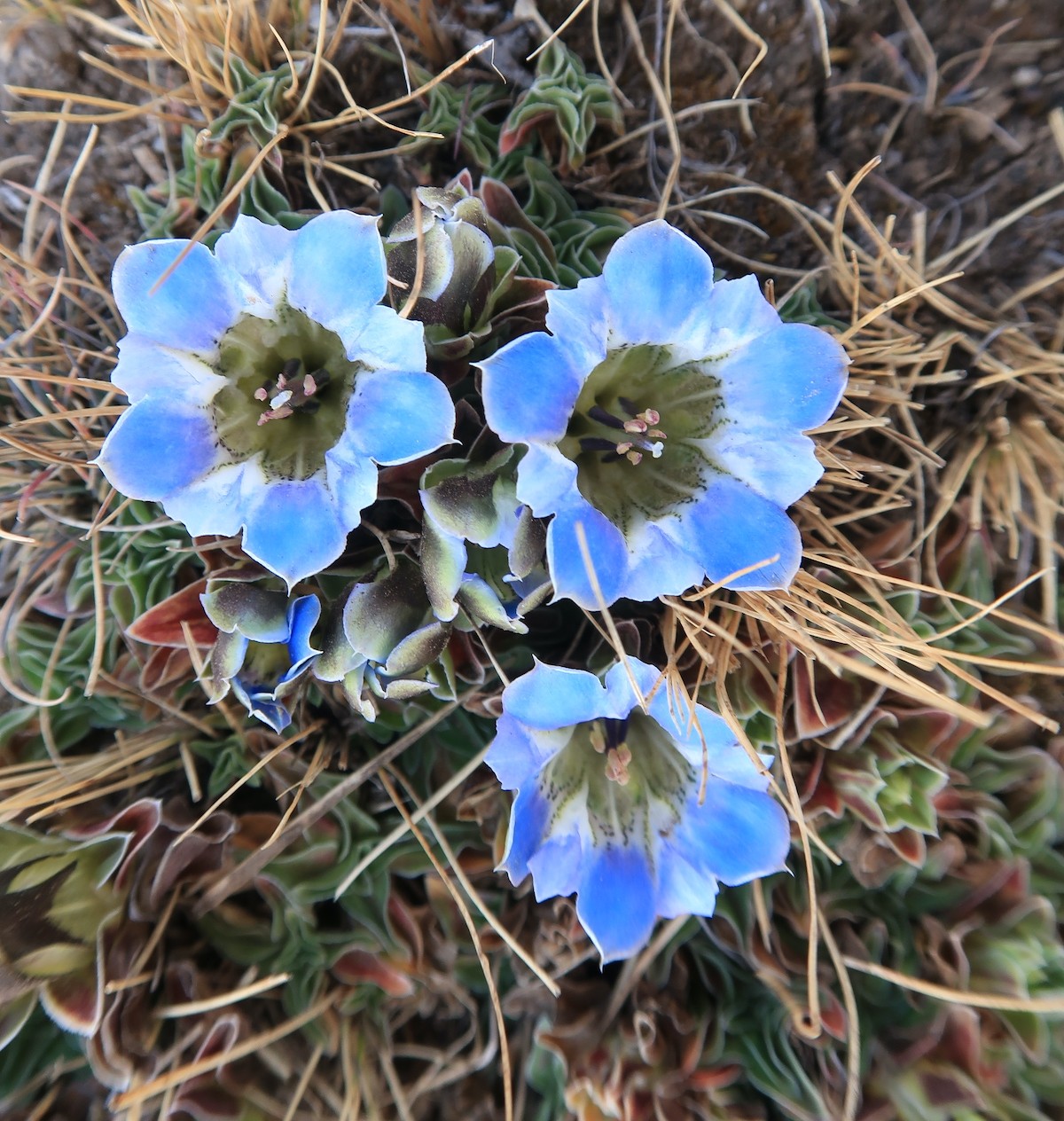 Once summer rolls in, from June through August, the monsoon kicks up the greenery a few notches. Rhododendrons step back, but wildflowers and alpine herbs take over, especially in the meadows near Kyanjin Gompa (3,870m). Rain turns everything lush and alive—fields just burst with color. If you push on to higher ground, places like Tserko Ri (5,033m) still have late-blooming herbs, and a few stubborn rhododendrons hanging on at the edge. Himalayan flowers seem built for this weather; they just keep thriving.
In fact, Spring is best time for Langtang Valley Trek if you want clear skies for photos. The flowers aren’t just for show, either—villagers use alpine herbs in traditional medicine. Rhododendrons, by the way, are more than just pretty—they’re Nepal’s national flower, and you’ll see why. Trekkers go home with cameras full of wild beauty they won’t find anywhere else.
Here, summer wildflowers pull in pollinators, which boost biodiversity up in the alpine zones. Every year, right after the monsoon, these seasonal blooms help the whole ecosystem bounce back. The Himalayan flowers change as you move along the trails, thanks to all the different little climates tucked into the landscape. People notice this cycle—and honestly, it’s hard not to be moved by it.
Now, if you’re thinking about hiking the Langtang Valley Trek during peak spring, expect to spend around $700 to $1,000, especially if you want a guide and plan your trip around the flowers. Nature photographers come back year after year just to catch these blooms. Time it right, and you’ll catch the rhododendrons and alpine herbs at their best. Planning ahead really pays off if you want to soak up the full show.
But it’s not just about pretty pictures. These seasonal blooms actually highlight why conservation matters so much in Langtang National Park. Rhododendrons and alpine herbs have to deal with climate threats every year, but they keep coming back. Himalayan flowers remind us that tourism should be sustainable, not just for us, but for the future. Protecting Nepal’s wildflower seasons is worth it.
Rare Sightings: Snow Leopards and Other Endangered Fauna Experiences
Meanwhile, snow leopards are the real stars of Langtang National Park. Catching a glimpse of one is rare, but that’s exactly what makes it so exciting. These big cats prowl the rocky heights above 4,000 meters, especially near Kyanjin Gompa, moving quietly at dawn and dusk. If you want to see them, you’ll need patience—and a bit of luck, honestly. But when it happens, it’s unforgettable.
Likewise, Himalayan black bears show up now and then in the forests between 2,500 and 3,500 meters. Sometimes you’ll spot one digging for berries or just lumbering along. They’re endangered too, but conservation teams are on it, working hard to protect their habitat. Guides know where to look and how to keep everyone safe, so you can focus on the adventure.
Moreover, red pandas add a splash of color to the bamboo forests below 3,500 meters, especially around Ghoda Tabela. They’re tricky to find, but that’s half the fun. These little creatures thrive in quiet, undisturbed woods. And then there’s the snow leopard again—king of the alpine world, always out there, just beyond sight.
In fact, you’ll probably spot Himalayan tahr and musk deer more often, especially on the cliffs and among the shrubs above 3,000 meters. They’re endangered too, always dodging poachers, but they hang on. Spotting them takes patience and respect for the land. The best part? Responsible trekking actually helps conservation efforts.
Up near Tserko Ri—at over 5,000 meters—snow leopards rule the remote, rocky terrain. Most people rely on camera traps or local guides for sightings. Every rare animal you see says something about the health of the whole Himalayan ecosystem. Langtang’s wild side rewards anyone willing to look a little closer and walk a little further.
Additionally, wild dog packs and serows sometimes pop up in those in-between zones, making rare sightings even more exciting. Up high, snow leopards hunt blue sheep. Endangered animals here actually get a fighting chance thanks to anti-poaching patrols. And when visitors pay entry fees, they’re directly supporting these protection efforts.
Conservation teams in Langtang National Park keep a close eye on endangered species. When someone spots something rare, it sparks global awareness campaigns—these sightings really matter. The Himalayan wildlife has it tough with shrinking habitats, but it still hangs on. That’s why trekkers often leave with a deep respect for how fragile this balance is.
Also, there are even special tours for people hoping to catch those rare glimpses. They cost between $900 and $1,300, and include expert trackers and all the right permits. Snow leopards are still almost impossible to spot—just a handful of confirmed sightings each year. But for anyone lucky enough to see endangered animals here, the memory sticks for life. These kinds of adventures turn people into advocates for protecting the place.
In the end, spotting rare wildlife just makes you appreciate Langtang’s wild, untouched nature even more. Snow leopards and other endangered animals really show just how urgent it is to protect biodiversity. Himalayan wildlife survives because of all these combined efforts, and stories like these get more people on board with protecting Nepal’s rarest species.
Here’s a quick guide to some of Langtang’s endangered wildlife, where you might see them, and a few tips:
| Fauna Species | Conservation Status | Preferred Habitat | Elevation Range | Sighting Rarity & Tips |
| Snow Leopard | Endangered | Rocky alpine cliffs, open terrain | Above 4,000m | Almost never seen; dawn or dusk scans near Kyanjin Gompa (3,870m) with a guide help. |
| Red Panda | Endangered | Bamboo and temperate forests | 2,200–3,500m | Rare; move quietly through undergrowth near Ghoda Tabela (3,000m). |
| Himalayan Black Bear | Vulnerable | Dense rhododendron forests | 2,000–3,500m | Occasional; look for tracks and other signs in mid-elevation forests. |
| Musk Deer | Endangered | Alpine shrubs and forests | 3,000–4,000m | Rare; track pellets in areas where forest meets open ground. |
| Himalayan Tahr | Near Threatened | Steep rocky slopes | 3,000–5,000m | More common; watch cliffs near Tserko Ri (5,033m) with binoculars. |
| Serow | Near Threatened | Forested cliffs | 2,500–4,000m | Rare; early mornings in rugged terrain work best. |
Conservation Efforts and Trekker Tips: Protecting Langtang’s Wild Side
Actually, Langtang National Park isn’t just another patch of green on the map — it’s home to red pandas, snow leopards, and a whole lineup of rare Himalayan wildlife. The Department of National Parks and Wildlife Conservation keeps an eye on things, managing patrols and protecting over 1,700 square kilometers of rugged terrain. WWF teams up on projects that connect animal habitats and support local community forests. It all adds up to give these species a real shot at sticking around for generations.
If you’re heading out on the Langtang Valley Trek, you’ve got a role in all this too. Since 2025, trekkers have to hire licensed guides — not just for safety, but to help make sure everyone follows the rules. Guides know the trails and make sure people stay on them, which keeps the fragile ecosystem from taking a beating.
Now, there’s more happening behind the scenes. Anti-poaching patrols are out there, and monitoring teams keep tabs on red pandas in the bamboo forests. Snow leopards get a boost from cross-border conservation work with China. Villagers pitch in too, building eco-tourism businesses that let them earn a living while protecting the land.
When you’re on the trail, keep things simple: pack out all your trash, skip single-use plastics, and bring a refillable water bottle. Treat wildlife with respect — give them space and don’t even think about feeding them. Those small choices make a real difference.
In fact, your entry fee (about NPR 3,000 for foreigners) goes straight to ranger patrols, habitat restoration, and local community projects. Book with agencies that care about ethical tourism. Every bit you spend helps keep Langtang wild and thriving.
Also, local communities take the lead on tree-planting and waste management in the buffer zones. Trekkers get tips to buy local products—helping keep the economy sustainable. Guides talk about cultural sensitivity and respecting the environment, and honestly, everyone pitching in makes tourism and conservation work together instead of against each other.
After the 2015 earthquake, people rebuilt lodges and trails with eco-friendly methods in mind. Now, conservation teams focus on creating habitats that can handle climate change, so Himalayan wildlife actually has a shot. Trekkers get nudged to pick solar-powered teahouses whenever they can. Altogether, it’s made the region stronger, ready to face whatever comes next.
Here, responsible tourism rules are clear: don’t wander off-trail. That protects red panda habitats. Conservationists keep an eye on animal populations with camera traps and research. Trekkers get simple advice—stay quiet, watch from a distance, don’t mess things up. This way, people still spot rare wildlife, and the animals don’t pay the price.
All these efforts—whether it’s conservation projects or trekker tips—work together to protect Langtang’s natural heritage. Thanks to this shared sense of responsibility, Himalayan wildlife is still hanging on. If you’re planning the Langtang Valley Trek, expect to pay somewhere between $700 and $1,200 for a responsible, guided package. It’s not just about the trek; it’s about setting an example and helping preserve Nepal’s wild places for the future.
Here are some key tips and conservation initiatives in Langtang National Park:
- Hire licensed guides : Since 2025, it’s required for foreign trekkers. Guides keep you safe, make sure everyone sticks to the trail, and the job supports local people who care about conservation.
- Carry out your trash : Seriously, pack out everything. It keeps the park clean and helps protect wildlife habitats.
- Stay on the trail : It’s the best way to avoid eroding the land or disturbing red pandas and snow leopards.
- Use reusable stuff : Bring a refillable bottle and eco-friendly products. It cuts down on plastic waste in these remote areas.
- Respect wildlife : Watch from a distance and never feed animals. This goes hand in hand with anti-poaching work and monitoring projects.
- Support the local economy : Buy handicrafts, sleep in community lodges. Your money helps fund habitat projects and gives locals more sustainable options.
Conclusion: Reflections on a Wildlife-Rich Journey Through Langtang Valley
Actually, walking through the Langtang Valley, you can’t help but feel connected to nature on a deep level. It’s more than just a trek—it’s spotting red pandas tucked away in bamboo forests, watching Himalayan tahr scramble across cliffs, and seeing how the landscape shifts as you climb from Syabrubesi up to Kyanjin Gompa. Everywhere you look, there’s life: birds overhead, wildflowers underfoot, and, if you’re lucky, even a snow leopard weaving through the rocks. The sheer variety of animals and plants here really drives home how fragile and special this place is.
What stands out isn’t just the wildlife—it’s also the people. Tamang communities welcome you into their villages, and traditions blend right into the forests and mountains around them. Places like Gosainkunda Lake, with its spiritual pull, make you realize how much nature and culture are tied together up here.
Likewise, spring brings bursts of rhododendron blooms, and in summer, the meadows turn lush and green. Every season has its own magic. It’s the kind of trek that sticks with you—quiet mornings, sudden encounters with wildlife, and moments of real wonder.
And by the time you head home, something shifts. You start to see why it matters to protect these mountains and everything living in them. Taking care with your actions on the trail feels more important. The trek changes you—it makes you want to look after places like this, for the wildlife, the people, and for everyone who comes after.
Further, look out across Langtang Lirung at 7,245 meters and you can’t help but stop for a moment. The mountains reflect in glacial streams, and suddenly, you’re thinking about how much this valley has bounced back since the earthquake. Nature’s resilience hits you. Wildlife like red pandas and snow leopards still roam here, thanks to people caring enough to protect them and visitors doing their part. You leave with a bigger sense of responsibility—preserving places like this matters.
Actually, getting to Langtang from Kathmandu is pretty straightforward, which means more people get a shot at this wild adventure. It’s affordable, too. For $600 to $1,000, you’re in the thick of it: deep forests, high passes, endless mountains. That kind of access means all sorts of people end up sharing the trail, swapping stories, and walking away with a new appreciation for the world.
Here, the Langtang trek really drives home how important biodiversity is—not just here, but everywhere. Spotting a red panda, hearing a snow leopard’s call, or just watching birds flicker through the trees, you realize this valley is a pocket of untouched beauty. It stays with you. Most trekkers leave fired up to protect not just Langtang, but wild places all over the globe.
In the end, Langtang Valley stands out as a lasting Himalayan treasure. Walking here, you feel connected—to the mountains, their creatures, and the people who call this place home. This kind of mindful travel helps Himalayan biodiversity survive. One trek, and you’re hooked for life—nature’s wonders become a part of you.
Here’s a quick rundown of what stands out on the Langtang Valley trek:
- Aspect : Key Reflection - Highlighted Elements - Elevation/Location Example
- Biodiversity : Deep appreciation for Himalayan wildlife—red pandas, snow leopards, over 250 bird species—from bamboo forests to alpine zones above 4,000 meters.
- Scenic Beauty : Panoramic mountain views—Langtang Lirung’s massive face, alpine meadows, Kyanjin Gompa at 3,870m, and Tserko Ri at 5,033m.
- Cultural Integration : Tamang traditions blend with nature—villages, monasteries, warm local hospitality—Langtang Village (3,430m), Gosainkunda Lake (4,300m).
- Seasonal Wonders : Bright blooms and wild herbs—rhododendrons in spring, alpine plants in summer—stretch from Lama Hotel (2,470m) up to the high meadows.
- Conservation Impact : You realize your role in protecting these fragile places, from responsible trekking to supporting guides—all along the Langtang National Park trails.
- Personal Transformation : The whole journey leaves you with lasting memories and a real urge to advocate for nature—starting from Syabrubesi at 1,500 meters and covering every wild mile after.
-
Note: This article originally appeared on the Haven Holidays Nepal Blog and has been republished here with permission..
About Haven Holidays Nepal: Haven Holidays is a locally based trekking company in Kathmandu, offering tailor-made adventures to Nepal’s most iconic destinations including Annapurna Base Camp, Everest Region, Manaslu Circuit, and Langtang Valley. Visit us at www.havenholidaysnepal.com
| Concerned URL | https://www.havenholidaysnepal.com/blogs/flora-and-fauna-on-langtang-valley-trek |
|---|---|
| Address | |
| Source | https://www.havenholidaysnepal.com/blogs/flora-and-fauna-on-langtang-valley-trek |
| Keywords | Flora An Founa In Langtang National Park |
| Target group(s) | Destinations , Businesses , Travellers , Education, Research, Consultancy , NGOs, Partnerships, Networks |
| Topics | Natural Heritage & Biodiversity , Travel, Transport & Mobility |