Knowledge Networking Portal for Sustainable & Responsible Tourism


 Flora and Fauna on Annapurna Base Camp Trek
Introduction: Unveiling the Natural Treasures of the Annapurna Base Camp Trek
Explore the rich flora and fauna on Annapurna Base Camp Trek in Annapurna Conservation Area, featuring diverse wildlife, lush forests, and Himalayan peaks for an unforgettable Nepal adventure.
Here’s a quick look at the Annapurna Conservation Area’s biodiversity:
| Plants | 1,352 species — from rhododendrons and oaks to bamboo. |
| Mammals | 128 species — including snow leopards, red pandas, musk deer. |
| Birds | 518 species — like the Impeyan pheasant and Himalayan griffon. |
| Reptiles | 40 species — Himalayan pit viper, lizards. |
| Amphibians | 23 species — Himalayan newt, frogs. |
| Butterflies | 348 species — Apollo butterfly, swallowtails. |
Step onto the Annapurna Base Camp Trek (4,130m), and you’re walking right into the heart of Nepal’s wild side. The Annapurna Conservation Area stretches over 7,629 square kilometers—think endless green hills, forests, and snowcapped peaks. Inside, you’ll find more than 1,300 different types of plants and 128 mammal species roaming the land. Birdwatchers have a field day here, too, with 518 kinds of birds flitting through the trees. And don’t overlook the reptiles and amphibians—they add their own twist to the place. So, you get a real mix of nature and culture every step of the way.
Actually, the journey to Annapurna Base Camp kicks off near Nayapul (1,070m). Right from the start, subtropical forests wrap you in layers of green, with bright flowers and the chatter of wildlife all around. But, these days, the jeep drive takes you directly from Pokhara to Jhino Danda or Ghandruk. Villages like Ghandruk (1,940m) pop up along the trail, where the Gurung and Magar communities live among terraced fields and blooming rhododendrons. The Modi Khola River rushes past, feeding the land and drawing all sorts of creatures to its banks. Honestly, this early stretch gives you just a taste of what’s ahead.
Keep climbing, and you’ll find yourself above Chhomrong (2,170m). The forests grow thicker, with oaks and bamboo crowding in, home to langur monkeys and Himalayan black bears. Spotting a flash of blue and green in the undergrowth? That’s probably the impeyan pheasant, Nepal’s national bird. If you’re lucky and quiet, you might see a musk deer slipping through the shadows—these endangered animals are a reminder of what’s at stake here. Every step you take isn’t just a hike; it’s a promise to protect this wild, living place.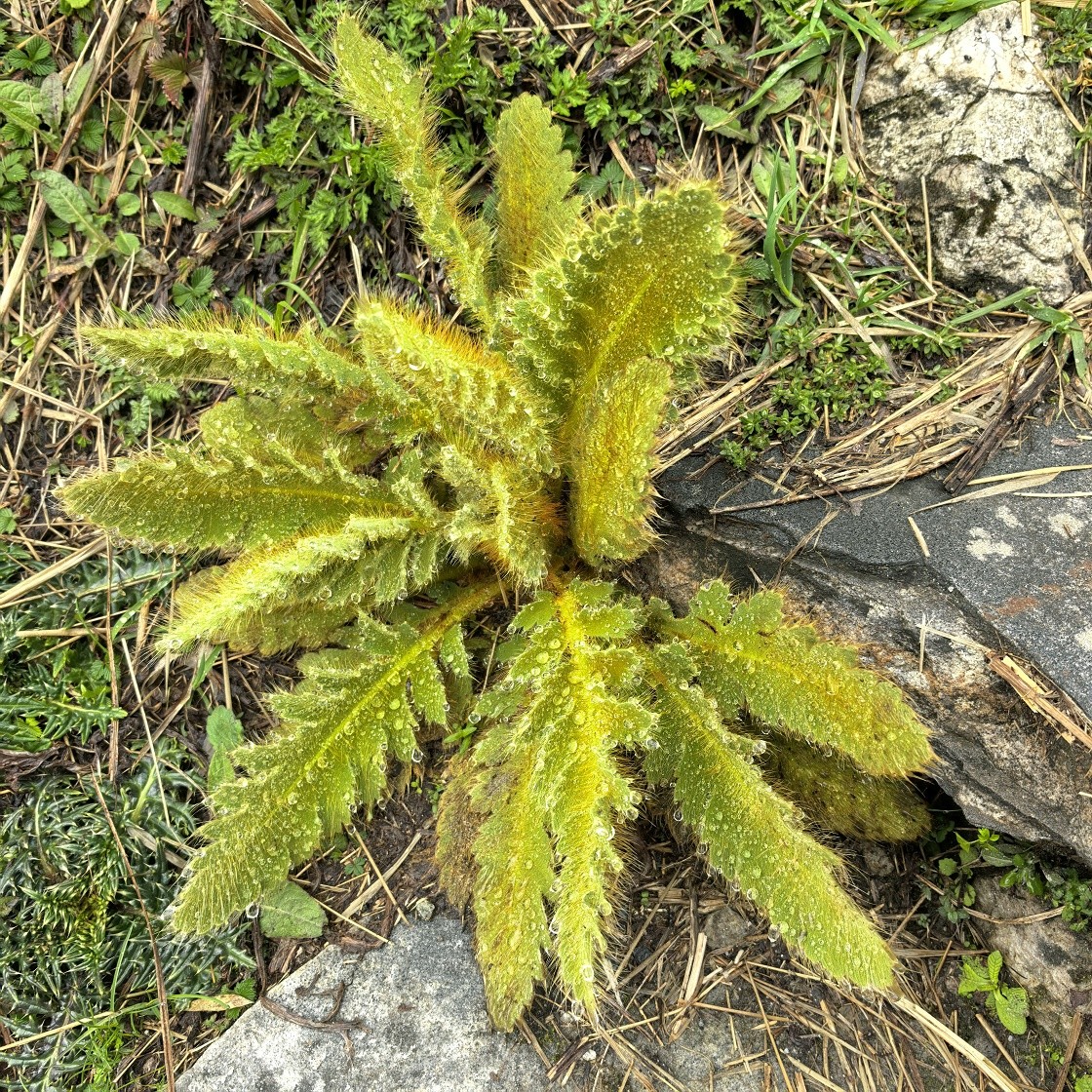 As you climb higher toward Bamboo (2,310m) and Dovan (2,600m), the jungle changes. The thick subtropical greenery gives way to fir and conifers, and if you’re lucky, you might spot a red panda moving quietly through the mist. It’s one of those moments that make the Annapurna Base Camp Trek really special. Higher up, the forests also shelter rare mammals like the snow leopard, so it’s important for trekkers to tread lightly and help protect this incredible place.
Once you reach Deurali (3,230m), the landscape opens up into alpine meadows. Blue sheep graze here, and the peaks — Annapurna I (8,091m) looming above — never let you forget where you are. At Machapuchare Base Camp (3,700m), you get a front-row seat to the sacred Machapuchare (6,993m), surrounded by tough shrubs and wildflowers. Hiunchuli (6,441m) and Annapurna South (7,219m) stand close by, their glaciers adding to the wild beauty. All of this, piece by piece, pulls you deeper into nature’s story.
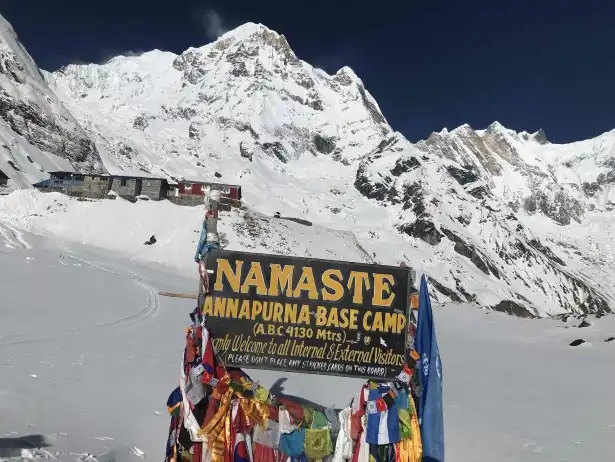
And then, you reach the heart of it all: Annapurna Base Camp. Here, the view opens up to a full sweep of Himalayan giants, and you’ll even find rare flowers like edelweiss growing at these heights. The National Trust for Nature Conservation works hard to keep this place in balance, especially as more trekkers arrive every year. Entry permits cost about $30 for foreigners, and that money supports both local people and wildlife. So, this ABC trek doesn’t just show off nature — it helps protect it.
Moreover, walking through all these different villages and landscapes, the trek isn’t just about adventure. It’s a chance to learn about local plants and animals, especially with a good guide who knows the area well. Springtime brings even more color, with wildflowers bursting into bloom. All in all, the Annapurna Base Camp Trek is a top choice for anyone who loves nature and wants to see it up close.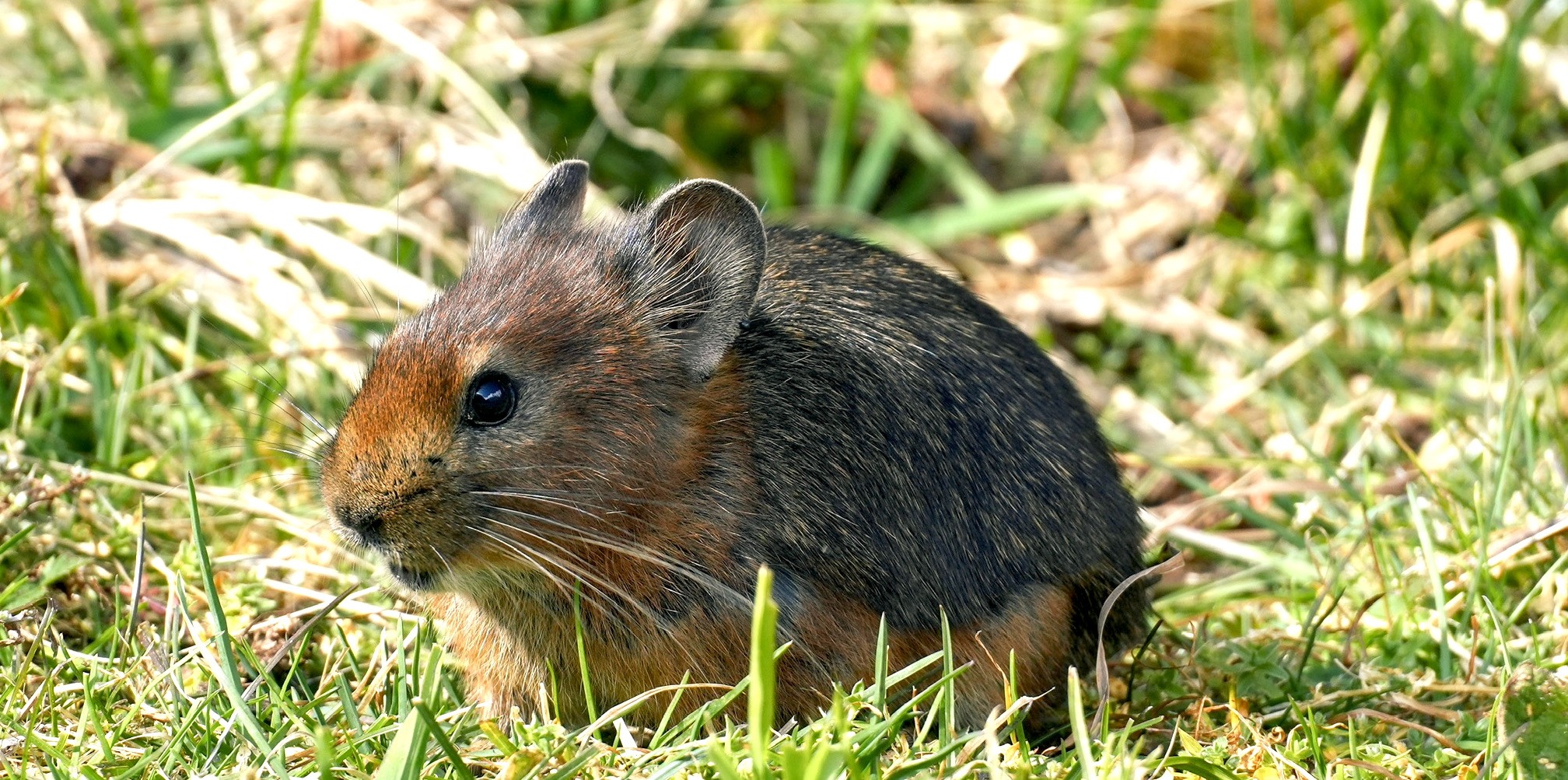 Subtropical Gateway: Following the Modi Khola River to Birethanti through verdant lowland flora
Walk into lush subtropical forests and observe vibrant lowland flora on trail to Annapurna Base Camp such as rhododendrons, beeches and wildlife in Annapurna Conservation Area.
Various lowland flora species native to the Modi Khola River and forests:
- Rhododendrons: Mainstay of subtropical zones during spring, creating lush forests for birds, butterflies and insects.
- Bamboos: Tall, flexible, long-groves plant providing much-needed coverage to settlements and quickly growing in moist soils, preventing erosion.
- Oak Trees: Endure as the dominant lowland flora of the temperate zone and serve as the foundation of the woodland environment.
- Other flowering trees such as magnolias and orchids: Reflect the vibrancy of the local lowland flora and draw pollinators.
- Ferns and mosses: Form the forage ground in riverine areas, with lush couch sites and abundant moisture.
- Willows and other riparian plants: Support moss formation on stream banks and provide cover for river fauna.
- Rhododendron Spectacle: Trekking Through the World's Largest Blooming Forests in Ghorepani and Beyond.
Subtropical forests and first step into lowland flora
Here, trekkers get their first views of subtropical forests upon starting the Annapurna Base Camp Trek from Nayapul (1,070m), with dominant vegetation along the Modi Khola River. Rhododendrons flourish with bright blooms during spring or other flowering seasons, while groves of bamboo provide also shelter and sustenance to natives. The woodland ecosystems here are predominantly oak, with branches supporting epiphytes and ferns on a canopy level. As a result, the lowland flora offers a lush portal to the conservation area.

Flora diversity and river dependence
Here, the ABC Trekking trail closely follows the course of the Modi Khola River, where moisture levels ensure subtropical forests full of more flowering plants such as orchids, magnolias and other exotic flora. Trekkers pass by terraced fields of rice or millet close to temporary farmsteads, with much of the land still used as wilderness and wild shrubs. Furthermore, the river sustains an undergrowth of mosses and liverworts, adding further richness of lowland flora. Thus the river exemplifies how water sustains biodiversity.
Fauna amidst lowland flora
Further, mammalian wildlife such as langur or barking deer exists, jumping between the subtropical trees and rushing streams of the Modi Khola River. Birds like kingfishers dart over the moss-covered shallow pools in the water, accompanied by butterflies such as swallowtails, drinking nectar from the bright blooms of the lowland flora. As a result, this environment enriches the trekking experience of the Annapurna Conservation Area.
Climbing through the villages
A step towards Tikhedhunga (1,570m) introduces more bamboo and ferns alongside the course of the Modi Khola River if you are doing ABC Trek via Poon Hill. Farming Gurung communities have lush gardens filled with subtropical fruits and vegetables, such as bananas and citrus, like the native rhododendrons. Occasionally, the woodland extremities also have the chance to see wild musk deer, protected through conservation in the area. As such, this section links the cultural experience with its natural surroundings.
Plant rises with the altitude and conservation insights
Reachings of Ulleri (2,010m) reveal abundance of pink and red flowering rhododendrons, dominating the subtropical woodlands, and blending the environments of the Annapurna landscape. The course of the Modi Khola River continues to influence growth, with riparian species such as willows establishing banks against erosion. Conservation initiatives of the area also mean no deforestation, so biodiversity and the lowland flora are protected. As a result, trekkers learn lessons in sustainable practices.
Final taste of lowland flora
Likewise, the trail eventually reaches Ghorepani (2,860m), where nearly all the trees give way to subalpine environments. Nevertheless, particularly in lower valleys along the Modi Khola River, the influences of lowland flora are still evident in the surrounding environment. Meanwhile, the average nightly costs of many teahouses remain at $5-10, helpful to trekkers’ budgets. Plus, signs educate about the medicinal value of local flora. As a result, the subtropical gateway offers a characterful link to the natural experience of the trek.
Hike through Ghorepani’s blooming forests on the Annapurna Base Camp Trek—vivid pink rhododendrons, wild animals, and Himalayan views in Nepal’s Annapurna Conservation Area.
In conclusion, trekking into this subtropical gateway immerses travelers into lush forests and thriving lowland flora. The waterways provide a vital ecological network, while communities like Ghandruk (1,940m) host traditional lifestyles. Thus, this phase sets the stage for ascending to higher altitudes.
Entering Ghorepani’s Blooming Gateway
Here are some of the standout rhododendron species you’ll spot in Ghorepani’s blooming forests:
- Rhododendron Arboreum: Locals call it laligurans—it’s Nepal’s national flower. Deep red blooms cover the hills in spring.
- Rhododendron Campanulatum: Look for pinkish-purple flowers, especially higher up around Poon Hill.
- Rhododendron Barbatum: Bright red flowers pop up along the trek, adding to the area’s biodiversity.
- Rhododendron Hodgsonii: Big white to pink flowers, perfect for pollinators in Ghorepani’s misty woods.
- Rhododendron Anthopogon: A smaller, shrubby type with aromatic leaves. Locals use it in traditional medicine.
- Rhododendron Ciliicalyx: White flowers with cool fringed edges—just another way these forests keep surprising you.
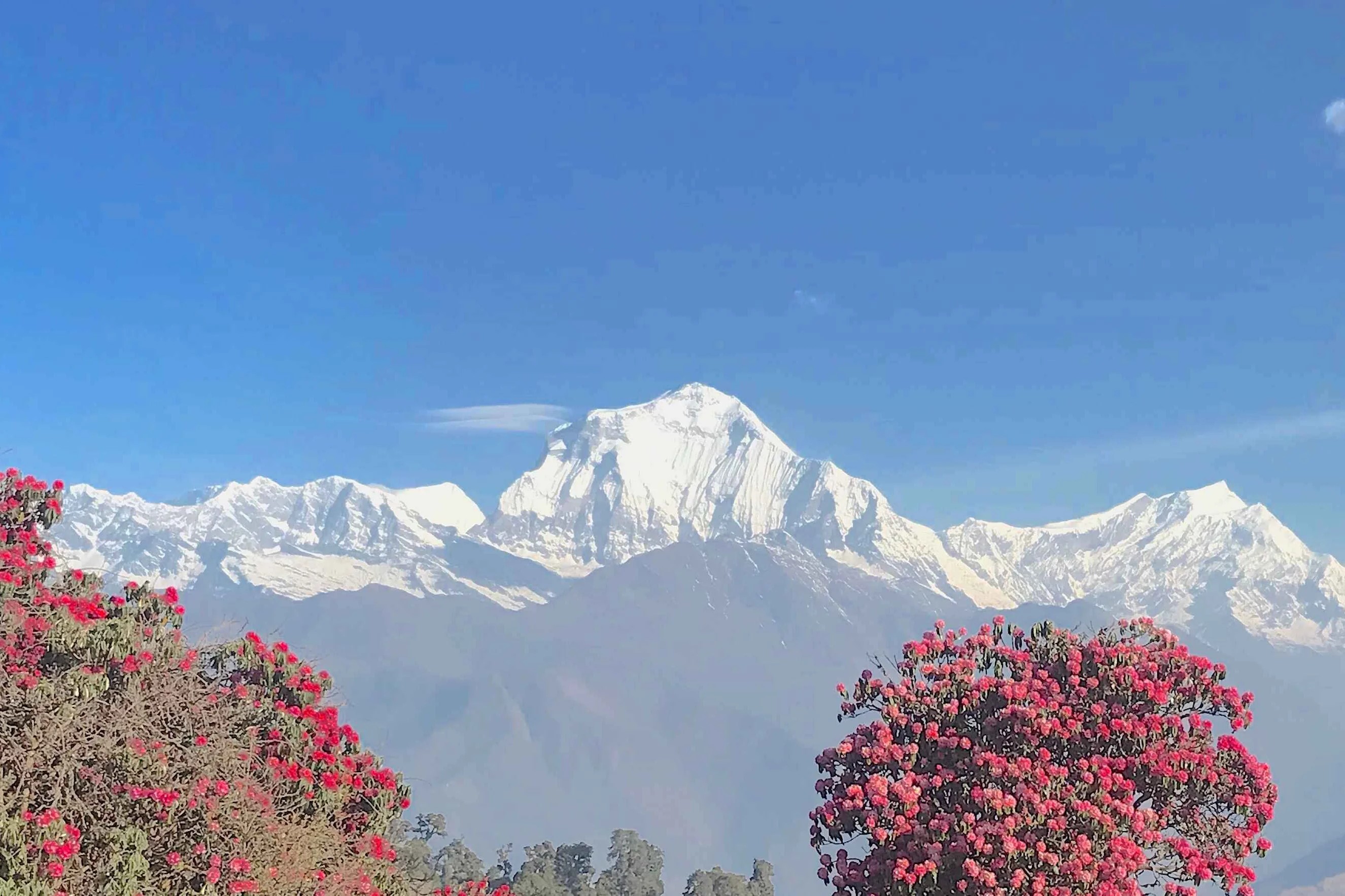 When you reach Ghorepani (2,860m), you walk straight into a wild, living tapestry. In spring, thick rhododendron forests explode with color—shades of pink, red, and white stretch as far as you can see, weaving a canopy over the Annapurna Conservation Area. These blooms don’t just draw in hikers; birds like the danphe pheasant swoop through the branches, adding bursts of color and life. Ghorepani isn’t just a stop on the trail—it’s a full-on immersion in nature’s show.
Ascending Poon Hill for Panoramic Views
From Ghorepani, the climb up to Poon Hill (3,210m) is where the real magic happens. The hillsides are blanketed in rhododendrons—over 30 species, including the famous laligurans, Nepal’s national flower. Early mornings here are unreal. Mist curls around the trees, and when the sun rises, Annapurna South (7,219m) glows behind a sea of blossoms. It’s the kind of view that sticks with you long after the trek’s over.
Wildlife Amid Rhododendron Thickets
But it’s not just about flowers. Langur monkeys swing through the branches, sometimes pausing to check out the trekkers below. Musk deer nibble on new leaves in the shadows, while Himalayan monals—those flashy birds—dart between the blooms. Butterflies flit from flower to flower, pollinating as they go. The whole place feels alive, buzzing with activity. These forests aren’t just beautiful—they’re a haven for wildlife, and every step shows you something new.
Beyond Ghorepani Toward Tadapani
Beyond Ghorepani, the trail heads toward Tadapani (2,630m), and honestly, the rhododendron show just gets better. The forests grow even thicker with blooms, wrapping around the stone paths and tucked-away Gurung villages. You’ll walk by ancient rhododendron trees—some over a hundred years old. Their twisted trunks pretty much shout resilience, standing tall in the Annapurna Conservation Area. Around this time, the local festivals kick in too, celebrating the blossoms and weaving them into the culture of the Annapurna Base Camp Trek. Walking this stretch, you start to really get why people love this place—nature here isn’t just beautiful, it’s tough and enduring.
Conservation Efforts and Bloom Seasons
Actually, the Annapurna Conservation Area Project steps in to protect all this, keeping a close eye on tourism in these blooming forests around Ghorepani. Entry fees—about $30—go straight into reforestation, helping keep the trek gorgeous for the next crowd. The real magic happens from March to May, when the whole forest bursts into color. If you time your visit right, you catch the rhododendrons at their wildest.
Culminating in Higher Elevations
As you climb higher, up to Deurali (3,230m), the rhododendron forests start to thin out. But even then, the scattered blooms stick with you. Sometimes you’ll catch rare orchids growing right alongside the rhododendrons—tiny surprises in the mist. Guided tours, usually $20-30 a day, bring all this to life with stories and local knowledge. After walking this trail, it’s hard not to leave thinking about how important it is to protect places like this.
Honestly, Ghorepani’s blooming forests are a highlight of the Annapurna Base Camp Trek. The Annapurna Conservation Area keeps this wild beauty intact, so everyone gets to see it. And if you get a chance to hear local stories out on the trails, it just makes the whole experience richer. For anyone who loves nature, this place is a must.

Bamboo and Oak Canopies: Hidden Ecosystems Full of Orchids and Ancient Trees on the Way to Chhomrong
Explore bamboo and oak canopies alive with orchids and ancient trees while trekking to Chhomrong during the Annapurna Base Camp Trek. Discover secret wildlife and thriving ecosystems in Nepal’s Annapurna Conservation Area.
Key Elements in the Bamboo and Oak Canopies on the Ascent :
- Bamboo groves: Tall, flexible stalks sway together and help stop erosion between 2,500-3,000 meters.
- Oak trees: Sturdy, broad-leaved giants, often covered in moss, provide a home for all sorts of wildlife from 2,000-3,000 meters.
- Orchids: Delicate dendrobium blooms cling to branches at 2,200-2,800 meters, adding color and life to the forest.
- Ferns and mosses: These humidity-loving plants blanket the ground between 2,100-2,900 meters, keeping the soil in place.
- Ancient trees: Some oaks and their companions have stood for centuries between 2,300-2,700 meters. They look gnarled and old, and people say they carry deep cultural meaning.
- Wildlife habitats: Red pandas and birds find shelter here, especially between 2,400-2,800 meters. It’s a whole hidden world tucked away in the forest.
Starting the Ascent from Ghorepani
Leaving Ghorepani behind at 2,860 meters, trekkers wind down toward Chhomrong at 2,170 meters. The trail pulls you right into thick bamboo and oak canopies, almost like stepping into another world. Tall bamboo sways overhead, mixing with sturdy oaks to cast deep shade, and the branches are loaded with orchids. These aren’t just any trees, either—some are centuries old, gripping the hillsides and holding the earth together. The first climb isn’t just a workout; it’s the start of the forest’s big reveal.
Flora Diversity in Mid-Elevation Zones
Keep going and you’ll see the path twisting through bamboo and oak, where orchids clutch the tree limbs and bloom quietly above mossy trunks. Dendrobium orchids pop up everywhere here, thriving in the damp and hidden corners of the Annapurna Conservation Area. Ferns roll out a thick carpet underfoot, and the old trees overhead keep the whole place cool and alive. All these layers—orchids in the trees, ferns on the ground—make this stretch of forest feel rich and untamed.
Wildlife Thriving Under Canopies
Red pandas sometimes climb the bamboo stalks, foraging just out of sight near Tadapani at 2,630 meters. If you listen, you’ll hear birds like the satyr tragopan calling out through the orchids and old trees. Sometimes, if you’re lucky, you’ll spot a leopard cat slipping through the undergrowth, quick and quiet. These animals depend on the thick canopy above—without it, they wouldn’t have the shelter and cover they need.
Cultural Integration Along the Path
Closer to Sinuwa (2,360 meters), the bamboo and oaks curve around Gurung villages, where people still build homes from the ancient wood nearby. Locals know how to harvest bamboo without damaging the forest, making baskets and tools in ways that keep these hidden ecosystems healthy. Along the trail, you’ll pass spots perfect for snapping photos of orchids clustered in the trees. Nature and culture walk hand in hand here—each one shaping the other, all the way up the mountain.
Conservation and Sustainable Practices
Here, the Annapurna Conservation Area takes real steps to protect bamboo and oak forests from people overharvesting orchids and old-growth trees. When trekkers buy a $30 permit, that money helps teams keep an eye on these tucked-away ecosystems all along the trail. Local community programs also teach everyone—locals and visitors—about how trekking impacts the environment. It’s not just about rules; it’s about learning and pitching in, so the adventure stays eco-friendly for everyone.
Reaching Chhomrong’s Vantage
Once you finally reach Chhomrong at 2,170 meters, the bamboo and oak forests start to thin out. Suddenly, you get these sweeping views of Machapuchare, standing tall at 6,993 meters, while orchids still cling to the ancient trees. Standing there, you can’t help but feel a deeper respect for everything the Annapurna Conservation Area protects. Even your $5-10 teahouse stay helps keep the local conservation effort alive. The climb doesn’t just change your view—it changes how you see the whole place.
In the end, the climb to Chhomrong shows just how important these bamboo and oak canopies really are. Orchids, ancient trees, all that wildlife—it’s all part of what makes the Annapurna Base Camp Trek unforgettable. Conservation here isn’t just a rule; it’s the reason these hidden ecosystems survive, calling out to travelers who want to explore them the right way.
Monkey Trails and Deer Sightings: Encountering Langur Monkeys and Himalayan Tahr in the Mid-Elevation Wilds
Spot langur monkeys and Himalayan tahr on the trails through the wild mid-elevations of the Annapurna Base Camp Trek. Explore wildlife in the Annapurna Conservation Area for a real taste of adventure in Nepal.
Here are a few key things to know about the wildlife you’ll see in these mid-elevation wilds:
| Langur Monkeys | They’re social, hanging out in groups of 10 to 50, and love showing off acrobatic jumps along the trails. |
| Himalayan Tahr | Think of them as sturdy, goat-like grazers, with those curved horns, perfectly built for scrambling over rocky slopes. |
| Habitat Sharing | Both species use the forests and cliffs, so there’s a real mix of wildlife along the protected monkey trails. |
| Behavior | Langurs are loud, calling out warnings, while tahr impress with their agility, especially if you’re up early for a dawn hike. |
| Threats and Protection |
Habitat fragmentation is a big problem, but conservation programs in the Annapurna region push back against poaching and keep populations healthy. |
Entering the Mid-Elevation Wilds
Once you reach the mid-elevation forests around Sinuwa (2,360m), the trek starts to feel different. Langur monkeys swing overhead—fast, agile, and always busy. Not far away, Himalayan tahr climb rocky slopes, barely making a sound, showing off how sure-footed they are on steep ground. It's all right there in the Annapurna Conservation Area, and honestly, seeing this kind of wildlife in action makes the trek unforgettable.
Langur Monkey Sightings
Gray langurs travel in noisy groups, calling to each other while they dart along the trails and disappear into bamboo thickets. You’ll usually spot them near Chhomrong (2,170m). They’re playful, always foraging for leaves, and their energy adds a wild, lively feel to the hike. That’s what makes each day on the trail a little more memorable.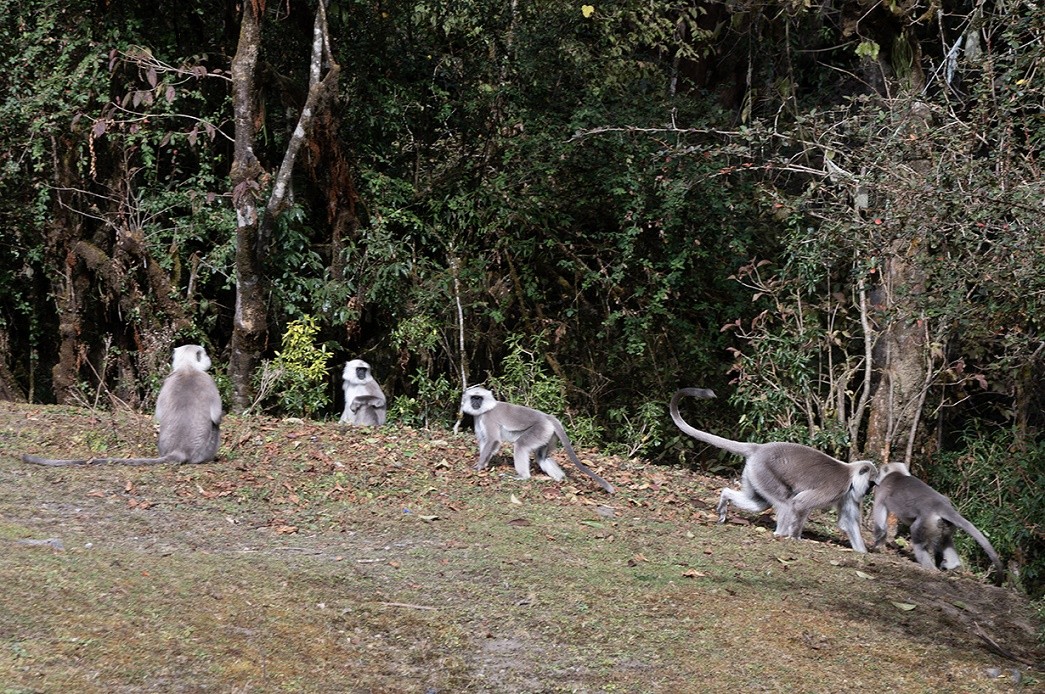 Himalayan Tahr in Their Element
Watch the Himalayan tahr as they handle the steep terrain without missing a beat. Their thick coats keep out the chill, and the males, with their curved horns, stand out as they graze on herbs. Females and young ones stick together in small herds, moving as a group up and down the slopes. You really see how tough and well-adapted they are for this landscape.
When Trails Cross
Climbing up toward Bamboo (2,310m), you’ll notice how langur monkeys and Himalayan tahr sometimes end up in the same patch of forest, sharing the same trails and water sources. Every now and then, you’ll catch them quietly coexisting, each species keeping an eye out for leopards lurking nearby. These moments show how much life is packed into these hills, and how every animal has its own way of surviving here.
Conservation Challenges and Efforts
Actually, the Annapurna Conservation Area steps up to protect langur monkeys and Himalayan tahr from poachers. Rangers actually patrol the monkey trails in the mid-elevation wilds, keeping a close eye out. Visitors pay a $30 entry fee, and that money goes straight into programs that monitor wildlife and keep tourism sustainable along the Annapurna Base Camp Trek. Local communities pitch in, too, helping to cut down on habitat loss. All together, these efforts really keep wildlife around for the long run.
Prime Viewing Spots and Tips
If you want the best wildlife moments, head to Dovan (2,600m). It’s a hotspot for spotting langur monkeys leaping through the trees and Himalayan tahr perched on rocky ledges—right along those famous monkey trails. Local guides, who usually charge between $20 and $30 a day, know all the tricks for spotting wildlife and can tell you what’s going on with animal behavior in the area. Bring binoculars if you can—sometimes the best scenes happen a little farther off the trail. Trekkers who come prepared usually walk away with some unforgettable memories.
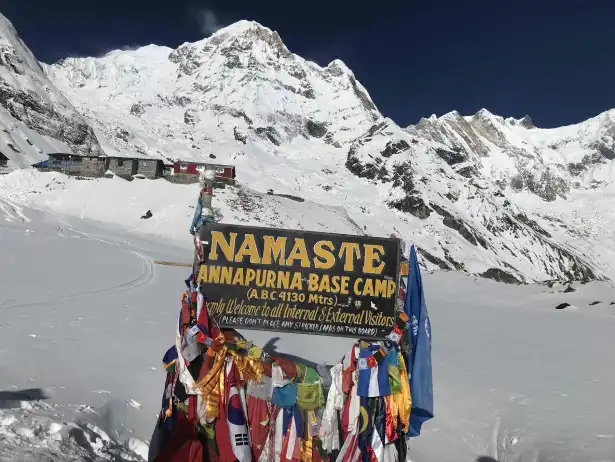
Best Viewing—Dry months like October and November are your best bet for clear sightings in these wild mid-elevation zones.
In the end, these monkey trails are alive with langurs and tahr. The Annapurna Conservation Area keeps them safe, and the trek to Annapurna Base Camp opens up a world of wildlife most people never get to see. No wonder it draws nature lovers from all over.
Here’s a quick look at some of the standout species you’ll see in the Annapurna Sanctuary:
- Himalayan Monal – Iridescent males, Nepal’s national bird. Loves alpine meadows, digs for roots, and shows off those bright feathers.
- Impeyan Pheasant – Flashy feathers and wild courtship dances. Found at the edge of forests, struts around and takes quick flights.
- Blood Pheasant – Red markings, mostly sticks to the ground. Hides in undergrowth, usually moves in groups.
- Golden Eagle – Big raptor, massive wings. Rules the open skies, rides thermals, dives for prey.
- Lammergeier – Bearded vulture, known for dropping bones on rocks to get the marrow. Sticks to rocky cliffs.
- Himalayan Griffon – Large scavenging vulture, often seen soaring in groups at high altitudes, circling over carrion.
Feathered Wonders: Spotting Himalayan Monal, Pheasants, and Eagles Soaring Over the Annapurna Sanctuary
Observe Himalayan monal, pheasants, and eagles in feathered wonders soaring over Annapurna Sanctuary on Annapurna Base Camp Trek, discovering birdlife in Annapurna Conservation Area for birdwatching Nepal.
Getting Closer to the Sanctuary Skies
As you climb toward Annapurna Sanctuary, way up at 4,130 meters, the air turns sharp and the views get wild. Here’s where you start seeing those Himalayan monals lighting up the high meadows—they flash iridescent blues and greens, impossible to miss in the early light. Pheasants wander nearby, calling out to each other, while eagles ride the wind overhead. The Annapurna Conservation Area feels alive with birds, and if you’re on the Annapurna Base Camp Trek, you can’t help but notice the variety.
Himalayan Monal Magic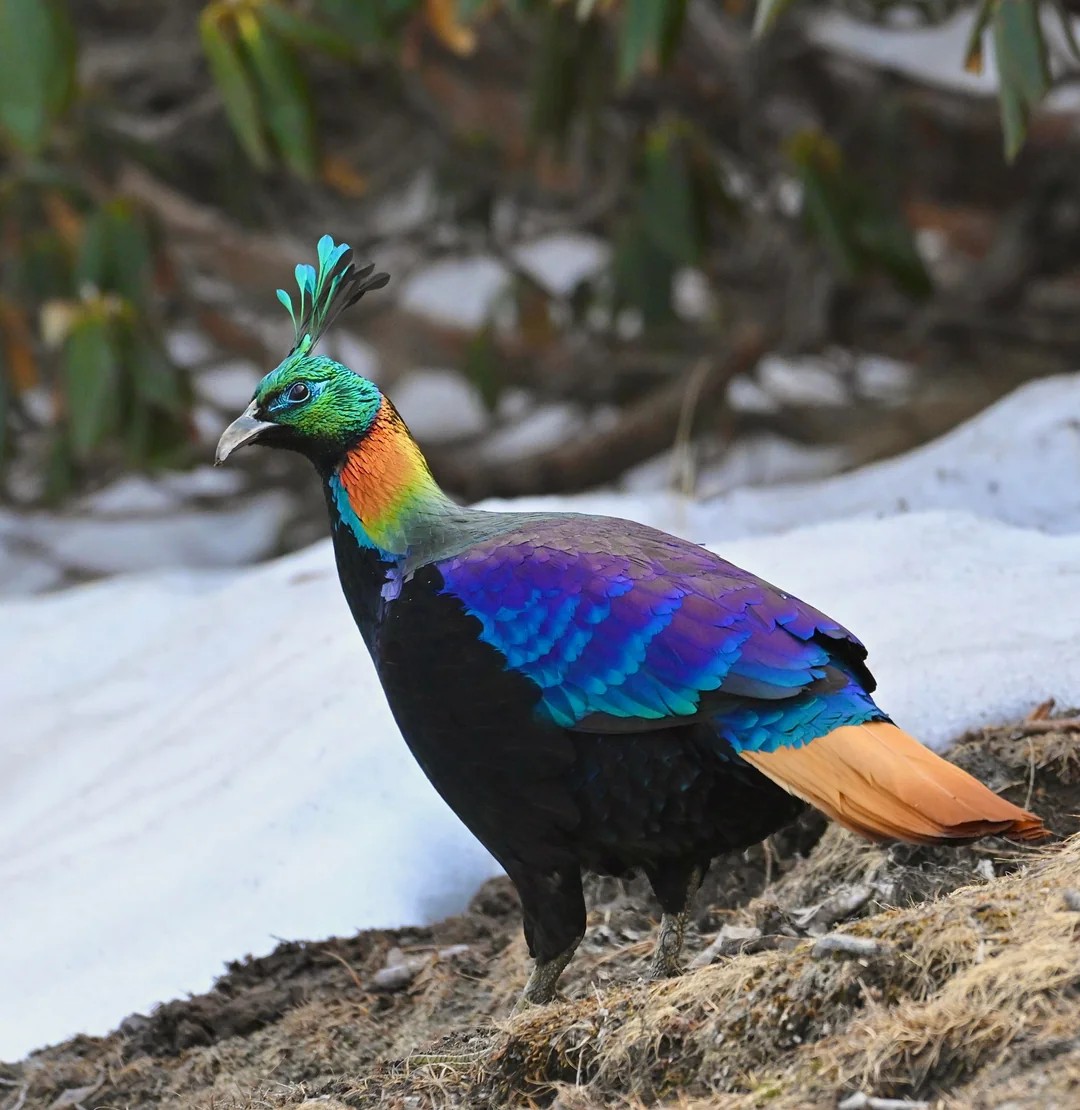 Here, male monals really steal the show. Their metallic colors catch the sun as they dig for roots, usually early in the morning. The females? They look more low-key, dressed in earthy colors that help them blend right in. If you catch a glimpse, you’ll remember those colors—there’s nothing quite like it.
Pheasants: Dancers in the Brush
Impeyan pheasants join the scene too, showing off with their wild courtship dances while eagles float above. Blood pheasants hide in the undergrowth, but now and then, they burst out in a sudden flurry of wings. Spotting one feels like a reward. These birds aren’t just beautiful—they’re a symbol of Nepal, and you really feel that pride out on the trail.
Raptors Ruling the High Winds
When you get closer to Machapuchare Base Camp, at about 3,700 meters, look up. Golden eagles glide effortlessly on the thermals, scanning the ground below. Lammergeiers—those bearded vultures—drop bones from high up, hoping to crack them open for a meal. Himalayan griffons circle patiently, waiting their turn. Watching these raptors, you get a sense of just how wild and untamed these skies are.
So, as you trek, keep your eyes open. The Annapurna Sanctuary isn’t just about the peaks—the birdlife up here turns every day into something special.
Birdwatching Hotspots and Tools
Here, Deurali, sitting at 3,230 meters, is a real hotspot for birdwatchers. Here, you’ll catch glimpses of Himalayan monals, pheasants, and even eagles drifting above the Annapurna Sanctuary. If you’ve got a decent pair of binoculars (the $50-100 range works well), you’ll spot birds much more easily in the Annapurna Conservation Area. There are also some clever apps that help you identify calls along the Annapurna Base Camp Trek. With the right gear, birders can really soak in all the details.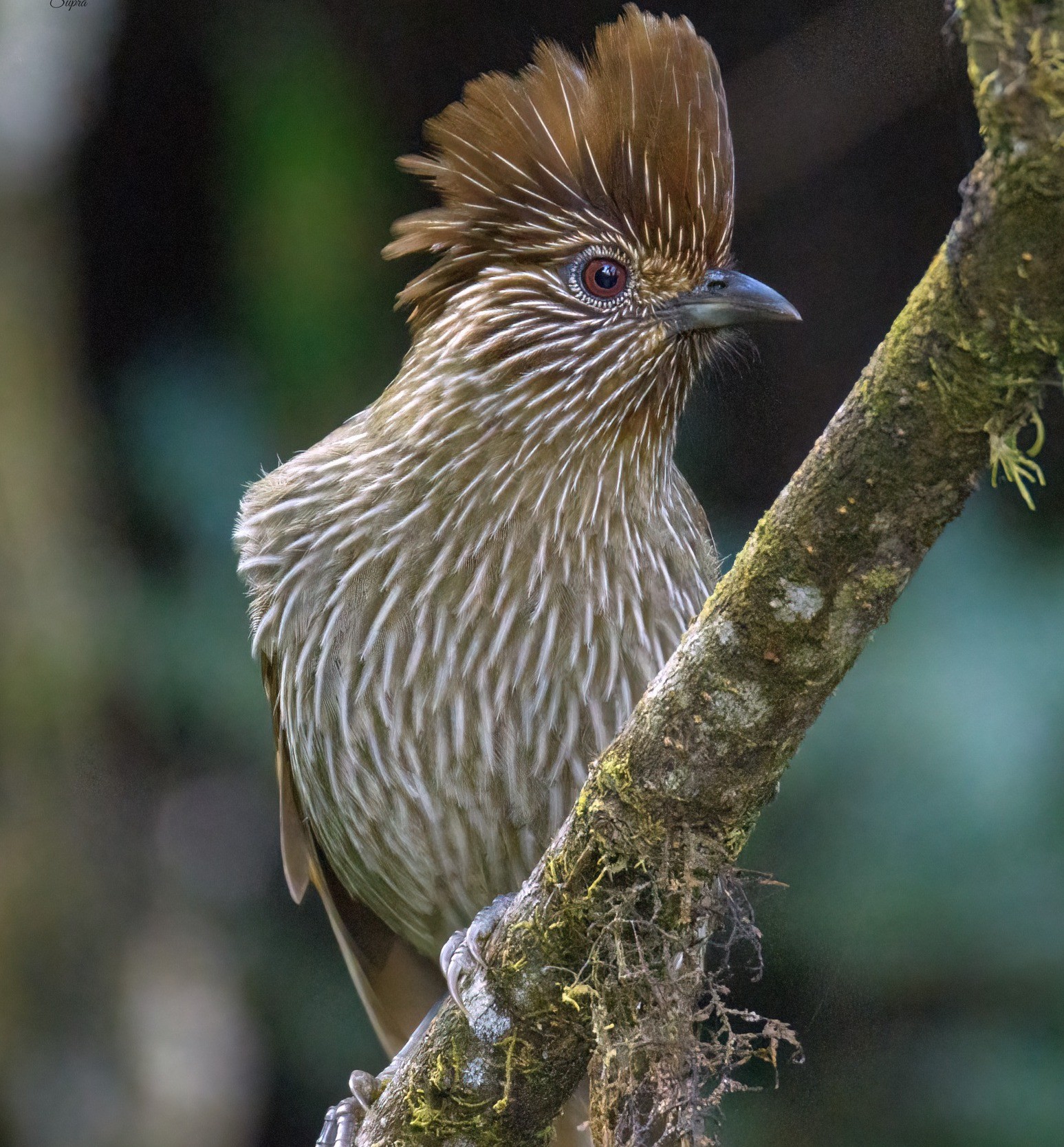
Conservation and Seasonal Tips
Actually, the Annapurna Conservation Area works hard to protect birds like the Himalayan monal, pheasants, and eagles with strict anti-poaching measures. When you buy a permit for about $30, you’re actually helping restore habitats along the Annapurna Base Camp Trek. Spring brings in migrating birds, so you’ll see even more species then. Follow ethical birdwatching habits to keep this place thriving for the next wave of bird lovers.
All in all, the Annapurna Sanctuary is a paradise for birdwatchers. The Conservation Area keeps this magic alive, and the Base Camp Trek offers a front-row seat. No wonder ornithologists from all over the world show up for the experience.

Alpine Transitions: From Pine Groves to Hardy Shrubs and Grasses as You Climb Toward Machapuchare Base Camp
Climb from pine groves to tough shrubs and grasses on the way to Machapuchare Base Camp—soak up Nepal’s high-altitude plants on the Annapurna Base Camp Trek.
Key Flora in the Alpine Transition Toward Machapuchare Base Camp:
- Pine Groves: Tall Himalayan pines dominate the lower alpine slopes, their canopies sheltering parts of the Annapurna Conservation Area.
- Fir and Hemlock: These needle-leaved trees pop up as the air gets colder along the trail.
- Hardy Shrubs: Rhododendrons and junipers, stunted by wind and weather, hold their ground at higher elevations near base camp.
- Grasses and Meadows: Tough species like bluegrass spread across open alpine meadows.
- Birch Trees: Slender birches show up mid-way, scattered among the hardier shrubs.
- Edelweiss Flowers: These classic white blooms add a splash of color to the grasses on the way to base camp.
Starting Out from Deurali
Actually, the real shift kicks in at Deurali, around 3,230 meters. Here, you’re walking through tall pine groves—towering conifers everywhere, the air cool and thick with that sharp pine smell. Mist hangs between the trees as you follow winding trails deeper into the Annapurna Conservation Area. Ferns cling stubbornly to the trunks, making the forest feel lush and alive. This is where you first notice the landscape changing.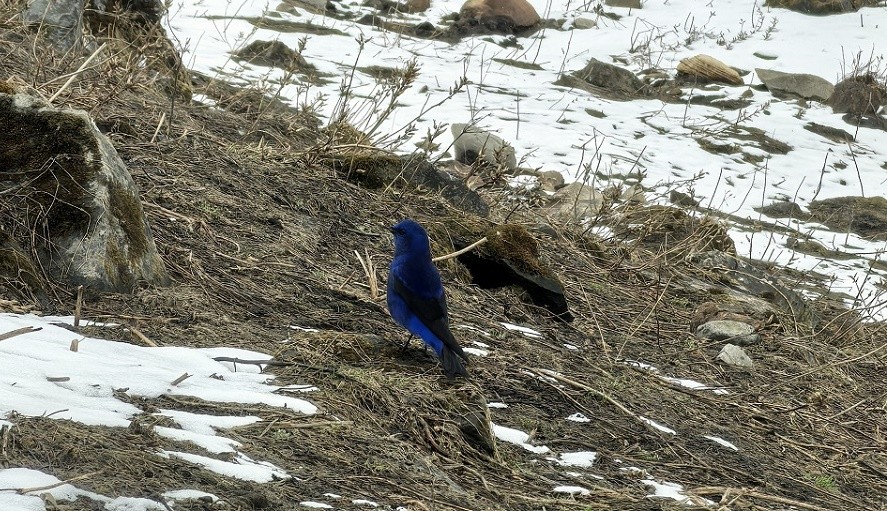 Climbing into Fir and Hemlock
Further, keep climbing and the pines start to thin out. Fir and hemlock take over, their branches stretching out in sparser patches. The higher you go, the more the shrubs elbow in—tough little plants adapted for altitude, popping up under the trees. Wild grasses start to spread across the clearings, and sometimes you’ll spot grazing animals picking their way through the new growth. Up here, every plant fights for space and sunlight.
Rhododendrons and Birch: A Tough Bunch
Push on past the pine zone and you’ll see stunted rhododendron shrubs. Their thick leaves hold up against the wind near places like Himalaya Lodge at 3,400 meters. Sometimes they burst into bloom, but not in big showy patches—just a few flowers clinging to the edges. Birch trees start to show up, scattered between the shrubs and grass. The mix of plants here says a lot about how tough life gets as you keep climbing.
Wide-Open Meadows and Mountain Views
Getting close to Machapuchare Base Camp, the trees fall away and you step into wide alpine meadows. Shrubs give up and the scene belongs to wiry grasses like bluegrass, stretching as far as you can see. The views open up—suddenly, Annapurna South towers above you, sharp and dramatic. Edelweiss flowers dot the ground here and there, adding a little softness to the rugged landscape. It’s wild, exposed, and unforgettable.
Fauna Adaptations in Transitional Zones
Birds like snow partridges hunt for food in tough shrubs and grasses as they move from pine forests into the alpine zone. Meanwhile, pikas dart between rocky outcrops near Machapuchare Base Camp in the Annapurna Conservation Area, always on the lookout. Conservation patrols keep a close eye on these habitats along the Annapurna Base Camp Trek. Life adapts quickly here, shifting right along with the changing plants.
Culminating Views at Base Camp
When you finally reach Machapuchare Base Camp, the landscape has changed again. Hardy shrubs frame the sacred Machapuchare peak (6,993m), and the wind moves through grasses just outside the simple teahouses where trekkers rest for $10-15 a night. There’s something about drinking tea and staring at those ridges—especially after a guide shares stories about the land. The trek really opens your eyes to the region’s wild beauty.
Step by step, the alpine landscape shifts—from pine forests to open meadows to wind-battered shrubs—right up to Machapuchare Base Camp. The Annapurna Conservation Area puts these changes on full display, and the trek weaves them all together. Hike this route, and you don’t just see the mountains—you learn something new with every step.
Elusive Predators of the Heights: Tracking Rare Snow Leopards, Red Pandas, and Musk Deer in Remote High-Altitude Zones
Spot elusive snow leopards, red pandas, and musk deer on the Annapurna Base Camp Trek for a rare Nepal wildlife encounter.
Here’s a quick rundown of the main elusive predators and their habitats in these high-altitude zones: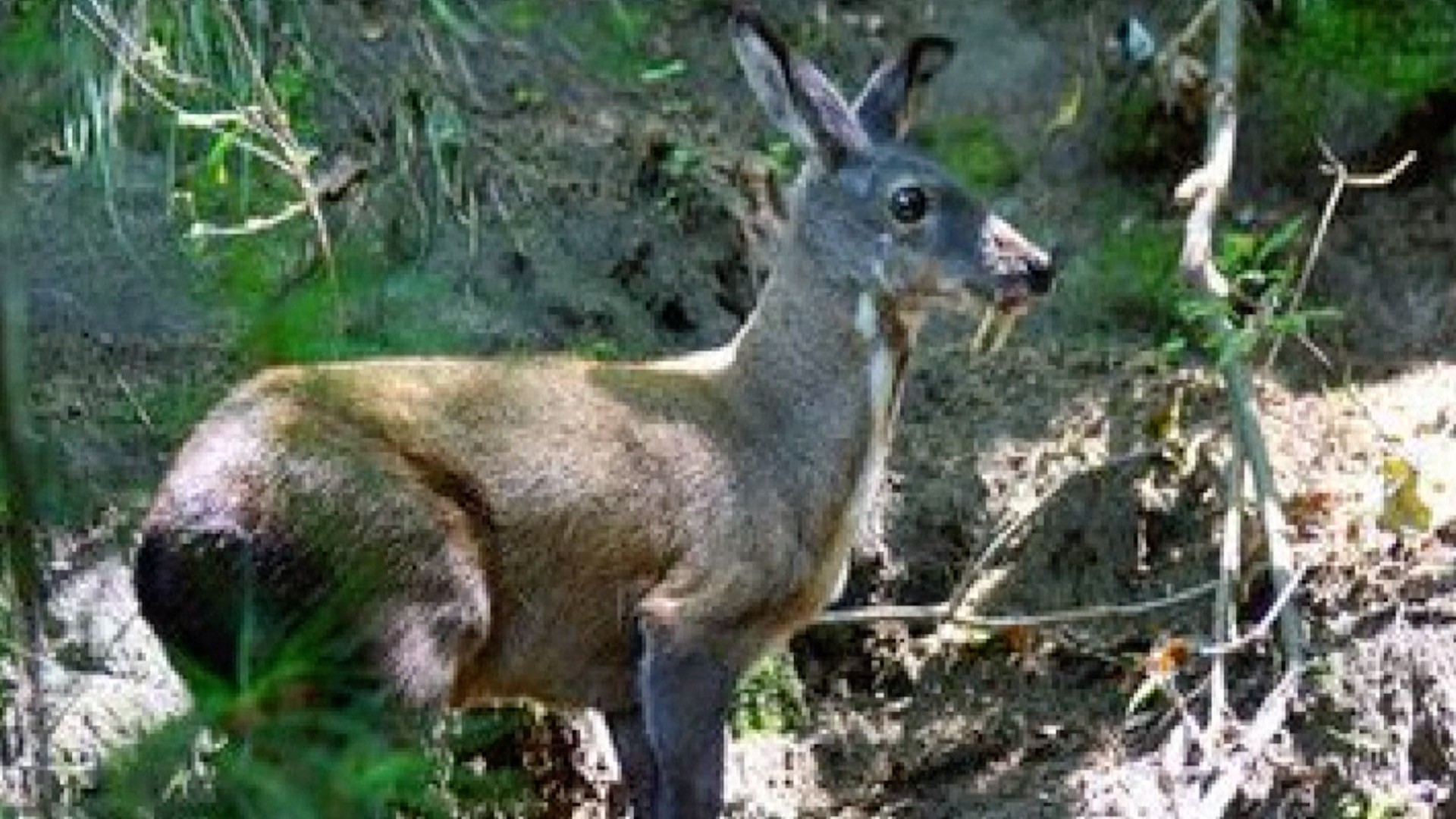 Predator Species: Snow Leopards – Rocky cliffs and snowy ridges (3,500-5,000m Lone hunters, always dodging poachers.
- Red Pandas: Bamboo forests cloaked in mist (2,500-4,000m). They live in the trees, but habitat loss is a real threat.
- Musk Deer: Shrubby slopes and meadows (3,000-4,500m). Tough to spot, targeted for their musk.
- Blue Sheep: Open grasslands (3,200-4,800m). Move in herds, and they’re a favorite prey for big predators.
- Conservation Tools: Camera traps and regular patrols keep an eye on the Annapurna region.
- Best Viewing Seasons: Look for tracks in winter, animal activity picks up in spring, and the Annapurna Base Camp Trek is the best place to see it all.
Entering High-Altitude Realms
Step onto the Annapurna Base Camp trail, and suddenly you’re deep in a world where the air thins and the landscape gets wild. Snow leopards slip through the rocks, practically invisible in the Annapurna Conservation Area. Meanwhile, red pandas cling to bamboo, hiding out in forested patches, and musk deer graze quietly in the shadows. Up here, survival takes real grit. These animals have mastered life in the cold and thin air, so you need sharp eyes and a lot of patience to catch even a glimpse.
Snow Leopard Habitats and Behaviors
Actually, snow leopards rule these heights with their ghost-like moves, blending perfectly into the snow and stone near Hiunchuli. Trekkers spend hours scanning the cliffs, hoping for a sign—maybe a paw print in the dust or a flash of a spotted tail. Blue sheep don’t stand a chance against them, and in keeping the balance, these cats keep the whole ecosystem ticking. Spotting one? That’s a story you’ll never stop telling.
Red Panda Foraging Patterns
Here, red pandas are the shy acrobats of the bamboo forests around Machapuchare Base Camp. With nimble paws, they pick leaves and disappear almost as soon as you spot them. They sleep most of the day and only come out at night, so catching one in daylight feels like pure luck. But if you’re patient, and maybe a little lucky, you just might see one munching away in the branches.
Musk Deer Secretive Lifestyles
As you push toward the edges of the sanctuary, musk deer dart between rocks and shrubs, always on alert. The males carry a prized scent that attracts poachers, so they stay hidden, bounding away in a flash at the first hint of danger. Conservation efforts here focus hard on keeping them safe, but spotting one in the wild is a real treat for anyone who loves rare wildlife.
Tracking Techniques and Tools
Guides rely on binoculars to spot shy predators like snow leopards and red pandas hiding out in those tough, high-altitude places. Camera traps catch musk deer on the move in the Annapurna Conservation Area, especially along the Annapurna Base Camp Trek. Most tours, usually $30-50 a day, cover expert tracking, so visitors get a real shot at seeing these rare animals. Tech makes wildlife watching more exciting—and keeps it ethical.
Conservation Initiatives and Challenges
The Annapurna Conservation Area fights poaching head-on with community patrols up in the mountains. Snow leopards, red pandas, and musk deer all benefit from ongoing habitat restoration along the trek. Awareness programs pull in both locals and visitors, building support for these efforts. These steps keep the region’s iconic wildlife around for the long haul.
All in all, rare predators like snow leopards, red pandas, and musk deer still make their home in these wild, high-altitude areas. The Annapurna Conservation Area gives them a fighting chance, and the Base Camp Trek opens a window into their world. Responsible ecotourism keeps the magic alive.

Conservation in Action: How the Annapurna Conservation Area Protects This Biodiversity Hotspot for Future Trekkers
See how conservation comes alive in Nepal’s Annapurna Conservation Area—where local communities, smart tourism, and tough wildlife protection keep this natural wonder thriving for tomorrow’s trekkers.
Here’s what that looks like on the ground:
- Community Stewardship: Locals take charge of forests and fields, which actually cuts down on deforestation.
- Anti-Poaching Patrols: Teams regularly check remote areas to protect rare animals, making the place safer for both wildlife and future visitors.
- Habitat Restoration: Replanting native trees and plants repairs the land and helps animals move freely again.
- Sustainable Tourism Funds: Money from trekking permits goes right back into things like waste cleanup and trail repairs, keeping tourism eco-friendly.
- Education Programs: Workshops and training sessions give people the knowledge to look after their environment for the long haul.
- Inclusive Governance: Indigenous voices guide decisions, tying cultural heritage directly into conservation work.
Community-Based Management Models
Actually, trekkers see the real impact of conservation every day in Annapurna. Local groups—backed by the National Trust for Nature Conservation—take charge here. They fix trails, handle waste, and keep the place looking wild instead of worn out. And it’s not just about the landscape. Locals get new ways to earn a living, so they don’t have to lean so hard on the land. The result? Trekkers still get those jaw-dropping views and fresh air for years to come.
Anti-Poaching and Habitat Restoration
Here, you’ll spot patrols out in the wild, keeping poachers away and giving endangered animals like the snow leopard a fighting chance. The work doesn’t stop there. Teams replant forests and heal damaged habitats, bringing the area back to life. Community education gets everyone on board with protecting wildlife, so people and animals can share the mountains. It’s a hands-on approach that really keeps these ecosystems strong—perfect for future adventurers.
Sustainable Tourism Integration
Every trekker’s permit—about $30 for international visitors—goes straight back into trail upkeep and protecting the area’s rare plants and animals. But that’s not all. Strict rules mean no single-use plastics, and you pack out what you pack in. Responsible trekking isn’t just a slogan here; it’s how the Annapurna Conservation Area stays open and beautiful for the next wave of explorers.
Biodiversity Protection Strategies
Climbing higher toward Annapurna Base Camp, you’re walking through a living museum—over 1,200 plant species, rare animals, all protected by smart planning. Corridors link habitats for creatures like red pandas and musk deer, so they can roam safely. Indigenous groups help guide decisions, making sure conservation includes everyone who calls these mountains home. These efforts help the Annapurna region stand strong against climate change, so future trekkers get the same wild experience.
Working with Locals
In fact, the Annapurna Conservation Area teams up with local communities, especially indigenous groups, to protect both the land and their cultural sites. People don’t just talk about conservation—they actually get involved. Training programs help locals stand up for better management of natural resources, and gender-inclusive strategies make sure everyone gets a seat at the table. This kind of teamwork doesn’t just protect nature; it keeps the whole place thriving for anyone who wants to hike here someday.
Keeping an Eye on the Future
Here, conservation in Annapurna isn’t a one-and-done thing. People constantly track how plants and animals are doing, so they catch any problems early. When issues pop up—like humans and wildlife clashing—they tweak their strategies. International partners also pitch in, bringing in funds and better tech. Because of all this, the area keeps its wild beauty and stays ready for the next generation of trekkers.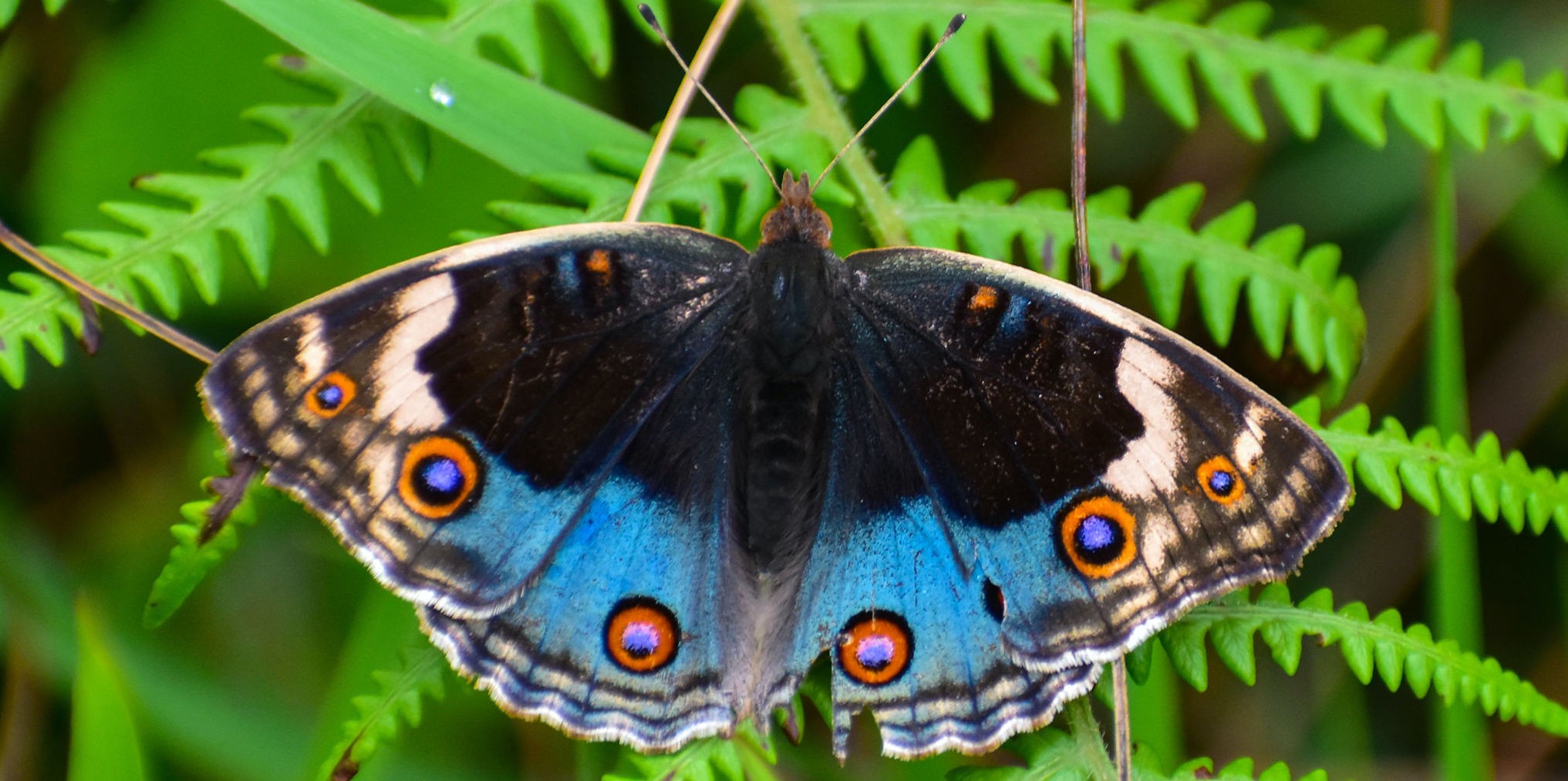 In the end, Annapurna sets the bar for how to blend conservation and tourism. These efforts don’t just protect nature—they keep local traditions alive and inspire people around the world. Future trekkers won’t just find great trails; they’ll inherit a place where nature and community truly matter.
Conclusion: Think back on a wild adventure—How the plants and animals give ABC Trek unforgettable
Think back on a wild adventure with flora and fauna that make ABC Trek unforgettable, pointing out the biodiversity in Annapurna Conservation Area for inspiring memories of Nepal trekking. 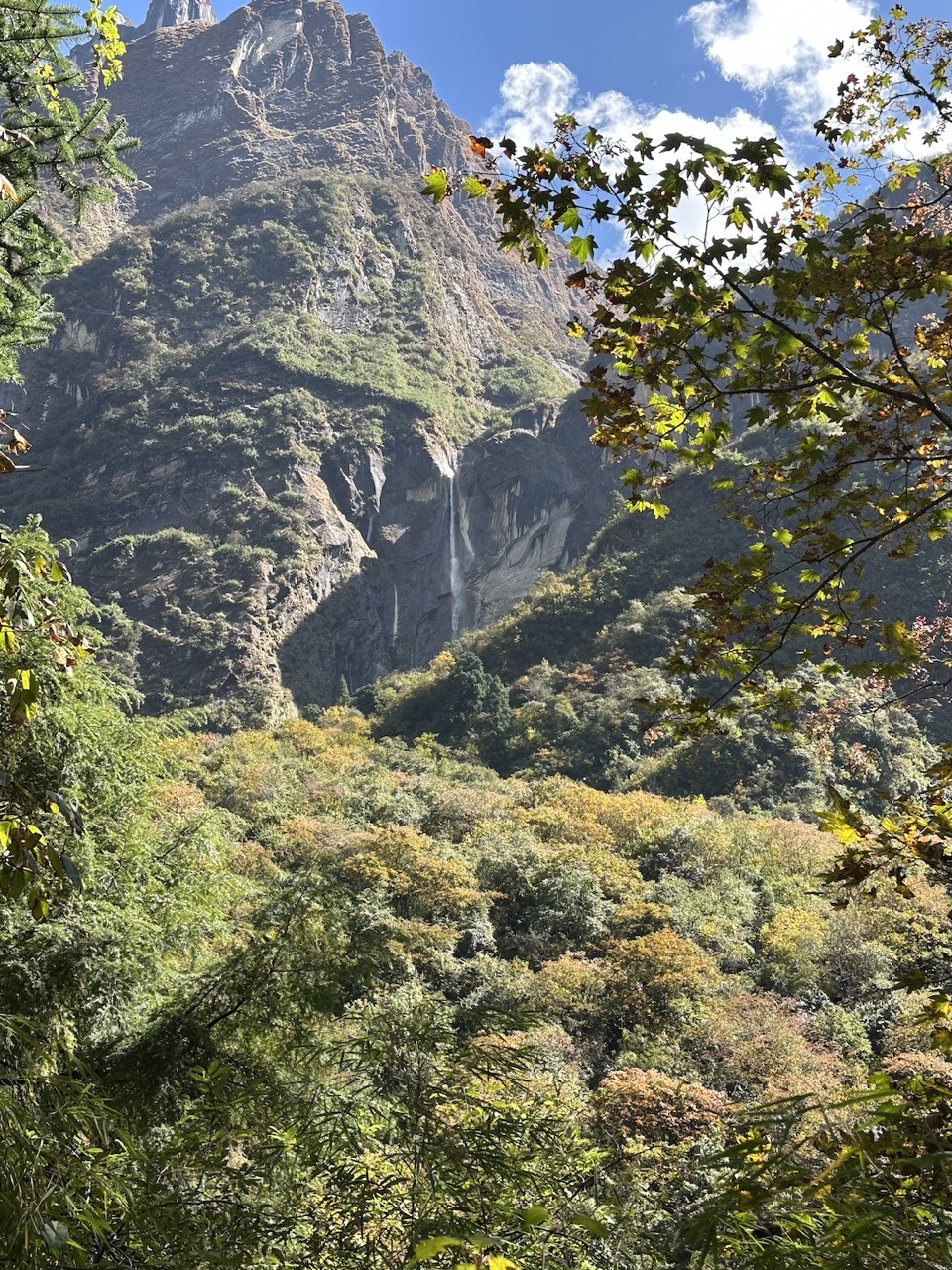 Here’s a quick look at what makes the ABC Trek stand out:
- Rhododendrons: Forests explode with color in spring around Ghorepani (2,860m). It’s a sight that sticks with you.
- Orchids and Bamboos: Tucked-away blooms and hidden groves near Chhomrong (2,170m) add a touch of mystery.
- Langur Monkeys: Watch these playful groups in the trees near Sinuwa (2,360m)—they make the trail feel alive.
- Himalayan Monal: Catch a glimpse of these brilliant birds flying high in the Annapurna Sanctuary (4,130m).
- Snow Leopards: Rare and elusive, but the idea that one could be out there adds excitement at higher altitudes.
- Alpine Grasses: Tough meadows surrounding Machapuchare Base Camp (3,700m) frame the peaks perfectly.
Recap of Biodiversity Encounters
Trekkers bring a concluding reflection on their wild journey at Annapurna Base Camp (4,130m) with an overwhelming bloom of flora and fauna making ABC Trek truly unforgettable. Vibrant rhododendrons and orchids painted the lush footsteps at lower elevations, whereas high elevation steeped into mystery with snow leopards hints in the Annapurna Conservation Area. Furthermore, those elements helped to make immerging journeys rather than hiking. So great design of nature kept lasting impressions.
Integration of Culture and Nature
Then, reflections on a wild journey focused on how the local settlements communicate with the diverse flora and fauna in Annapurna Conservation Area making ABC Trek attractions. The Gurung villages near Ghandruk (1,940m) demonstrated memorable communicate style building the tension less between living amidst lush blooming forest in Annapurna Conservation Area. Moreover, encounters with langur monkeys and Himalayan monals added a new dimension of cultural lore while walking on the trail. Accordingly, that fusion makes the trek unforgettable.
Contribution of Conservation for Sustainability
Here, the preservation by Annapurna Conservation Area guaranteed the abundance of flora and fauna for perpetuate meaningful wild journey on ABC Trek. Cost of the permit just around $38 contributed to the conservation efforts to conserve the ecological balance and make an unforgettable biodiversity. Moreover, green plots encouraged the trekking community for ethical operation. Hence, responsible explorers contributed to enduring appeals.
Personal Transition from Nature
Actually, as memories settled down, trekkers ponder how they were transformed in term of flora and fauna due to the wild journeys at ABC Trek. Alpine meadows at Machapuchare Base Camp (3,700m) offered memorable awe in the Annapurna Conservation Area. Furthermore, encounters of rare species reinforced their sacred respect to the natural environment. Therefore, meaningful reflections show the nature affected depth of life encounters.
Seasonal Attractions and Planning
In addition, the blooming of flora during spring and serene clarity of autumn made every wild journey distinct as well as added more fantastic on ABC Trek. Planners take the consideration of elevation of Poon Hill (3,210m) to deliver some amazing views in the Annapurna Conservation Area. Additionally, guided trips of $20-30 a day benefited for safer and insightful journey planning. Ultimately, tailor-made while under guides and porters resulted in unforgettable journey.
Timeless Appeal of Wild Journey
Finally, this conclusion asserts the flora and fauna symbolize the wild journey17s philosophy making ABC Trek worth memorable. The Annapurna Conservation Area instructed balanced ecotourism effort making visitors return to its wonder. Besides, the area contributed more reasons to explore again. So this trek fascinated millions of hearts.
Simply, reflection back on this wild journey express flora and fauna as the exquisite reason to make ABC Trek truly unforgettable due to great exhibit of biodiversity in Annapurna Conservation Area. Furthermore, trekking activities enabled lifetime experiences.
| Concerned URL | https://www.havenholidaysnepal.com/blogs/flora-and-fauna-on-annapurna-base-camp-trek |
|---|---|
| Address | |
| Source | https://www.havenholidaysnepal.com/blogs/flora-and-fauna-on-annapurna-base-camp-trek |
| Keywords | Flora and Fauna on Annapurna Base Camp Trek |
| Target group(s) | Destinations , Businesses , Travellers , Education, Research, Consultancy , NGOs, Partnerships, Networks |
| Topics | Natural Heritage & Biodiversity , Travel, Transport & Mobility |