Knowledge Networking Portal for Sustainable & Responsible Tourism


 Cultural Insights on Manaslu Circuit Trek
Living Cultural Mosaic of the Manaslu Region
“Experience the living multicultural mosaic of Manaslu on Manaslu Circuit Treks. “
Meanwhile, the Manaslu region (8,163m) provides trekkers with a distinctive cultural experience that has been shaped by Tibetan and Gurung traditions. This presents trekkers with the opportunity to observe ancient culture that has been retained, even in the face of modern development. The Tibetan-Buddhist culture has been in place in this region for many centuries. The Manaslu Circuit Trek (approx. 177 km) treks through various settlements such as Samagaon (3,530m), Sama (3,450m), and Deng (1,860m), which demonstrate Himalayan life and culture.
Moreover, monasteries such as Manaslu Gompa (3,500m) function as hubs of local religious activity, and monks carry out their day-to-day ceremonial activities. Moreover, trekkers can witness prayer wheels and the celebration of Lhosar, or the Tibetan New Year. Cultural photography at this point is not only an activity but an experience due to the local architecture, costumes associated with culture, and colorful festivities. Cultural immersion at this point provides an insight into Himalayan Buddhism and the religious affection towards mountains and peaks like Mount Manaslu (8,163m).
Moreover, the homestay facilities available in the villages of Bihi(2,500m) and Namrung(2,630m) allow the visitors to mingle with the locals extensively. The visitors get an opportunity to sample local cuisine like Tsampa, Buckwheat bread, and tea, and also understand how people survive at higher elevations. Visitors also get an understanding on how they can walk through the villages and interact with the locals and understand their cultural practices. Haven Holidays Pvt. Ltd team assists the visitors in this manner.
Additionally, marketplaces in Jagat (1,410 m) and Lho (3,180 m) enable trekkers to see market activities and shop for locally-made goods such as prayer flags, thangkas, and woodcarvings. The cultural events of Himalayas include mask dances and dinners in occasions like Mani Rimdu and Saga Dawa festivals, which provide hands-on experiences for trekkers. The experiences are normally documented by trekkers for personal recollection and as knowledge about Himalayas. Finally, the Manaslu area connects culture and nature. From witnessing the daily Tibetan-Buddhist ceremonies to discovering ancient monasteries, one can appreciate the value of culture preservation. This increases the value of the Manaslu Circuit Trek, which becomes an experience of both nature and culture.
Importance of Culture During Manaslu Circuit Treks
Find out what culture has to do with Manaslu Circuit Treks. Explore cultural traditions, monasteries in Tibet, and staying in homestays.
First, culture affects the trekking experience in the Manaslu Circuit (177 km). The people from the Gurung and Tibetan communities carry out traditional practices such as Buddhist prayers and celebrations, as well as traditional methods of cultivation. The experience through the interaction of inhabitants in Samagaon(3,530m) and Lho (3,180m) helps in the comprehension of the Himalayan ways of life. Therefore, the trekkers can learn about the spiritual and everyday lives and the value associated with sacred mountains, including the Ganesh Himal (7,422m) and Mount Manaslu (8,163m).
Additionally, the Tibetan monasteries, such as the Samagaon Monastery that is situated at an altitude of 3,500 meters and the Lho Gompa monastery which lies at an altitude of 3,180 meters, are instances that illustrate the existence of spiritual continuity. The tourists get to experience the regular rituals, the turning of the prayer wheels, and the lectures related to Buddhism. Such instances evoke a sense of regard for the local culture, and terms like cultural immersion, spiritual trek, and Himalayan traditions help create awareness among the tourists.
Also, homestays and experiences in the village allow for experiential learning. Guests get to learn how to make meals, enjoy cultural festivals such as the Lhosar Festival, and help with farming. Even these activities demonstrate how people rely on their culture as a means for endurance in higher-altitude zones. The significance of experiential learning, as presented by the keywords Himalayan lifestyle, village trek, and cultural preservation, prevails.
Moreover, cultural events such as Saga Dawa Festival, Mani Rimdu, and Tihar interest trekkers willing to have a firsthand experience. Cultural events bring together elements of music, dance, and offerings to give meaning to the coexistence of Buddhism and Hinduism. Use of keywords such as cultural events, spiritual trekking, and Himalayan rituals is important for the promotion of sustainable tourism practices.
Ultimately, familiarity with culture promotes appropriate trekking behavior. This includes respect for religious monuments, properly disposing of trash, and appropriate engagement with native populations. In this way, it can be said that culture, in and of itself, is an integral part of, not just an aspect of, the Manaslu Circuit Trek. Trekking in Nepal thus leads to expanded knowledge and understanding.

Tibetan Buddhist influence along the Manaslu trekking route
Learn about Tibetan Buddhism on the Manaslu Circuit Trek. Find out more about Tibetan Monasteries, Prayer Ceremonies, and Cultural Sites at High-altitude Villages.
First, the Manaslu Circuit Trek provides an insight into Tibetan Buddhist culture for trekkers. There are monasteries scattered around such villages as Samagaon at 3,530m, Lho at 3,180m, and Sama at 3,450m. As such, the trekker gets an insight into ancient practices such as prayer recitals, butter lamp light offerings, and Lhosar festival observations. "Keywords such as Tibetan Buddhist culture, Himalayan monasteries, and spiritual trekking highlight such aspects."
Additionally, monasteries such as Samagaon Gompa, reaching an altitude of 3,500m, and Lho Gompa, reaching 3,180m, are religious learning centers. The monks engage in daily religious practices, pray, and protect religious texts. The visitors usually engage in these activities in a non-offending manner, noting the significance of prayer flags and wheels representing unity and good luck. The word spiritual trekking, cultural immersion, and Buddhist heritage emphasize the need to grasp religious beliefs while trekking through high places.
Furthermore, this trek shows how architecture of Himalayan pattern influenced by Tibet is exhibited. Houses made of stones, mani stones, and wooden windows seen in villages such as Samdo (3,860 meters) show how this culture is an old practice. This increases the values of photos taken during trekking adventures while highlighting important key words such as Himalayan Architecture and influence of Tibet Culture on preservation.
In addition, festival periods such as Saga Dawa and Mani Rimdu offer the opportunity to experience the colorful Tibetan rituals. Mask dance festivals, social gatherings, and rituals demonstrate the strong spiritual bonds the mountains share with the local people. Trekkers can experience firsthand the rich culture offered in these regions as they opt for responsible tourism. The terms Himalayan festivals, spiritual trek, and Tibetan rituals help in increasing the page ranking.
Lastly, the Tibetan Buddhism culture enhances the Manaslu Circuit Trek experience, which combines adventure and spirituality. In addition, the visit and preservation of shrines and prayer ceremonies provide adventure seekers with essential knowledge and exposure to the cultures of the Himalayas. Companies such as Haven Holidays Pvt. Ltd. provide cultural immersion, entry, and homestay experiences that exhibit the importance of the culture.
0.81855800%201738673284.webp)
Jagat: The Gateway Village to Mountain Culture
Uncover the secrets of Jagat, the gateway village to the culture of the mountains on the Manaslu Circuit Trek.
To begin with, Jagat (1,410m) is the beginning of the Manaslu Circuit Trek (177km), which combines Himalayan adventure and exposure to culture. Being a thriving village, Jagat links trekkers to isolated locales, monasteries, and homestays. As such, Jagat is an experiential destination for exposing one to life and culture of the Himalayas and Tibet.
Further, Jagat provides local markets, prayer wheels, and teahouses for trekkers. The tourists are able to connect with local farmers, shop for local handicrafts, and enjoy local cuisine consisting of "Dal Bhats and Buckwheat Bread.
Moreover, Jagat has been identified as a cultural orientation center before heading to the more upland areas of Deng (1,860m) and Namrung (2,630m). The guides brief trekkers or adventurers on local culture, mountain rules of conduct, and Tibetan Buddhist rituals and traditions. This makes trekkers more informed and more cultured in their mountain behavior.
Additionally, the scenic nature of the village, situated at the confluence of two rivers and agricultural fields, offers photography and sightseeing activities. Photographers focus on the fluttering Himalayan Prayer flags associated with Ganesh Himal (7,422m and the Himalayas) and Mount Manaslu (8,163m), showcasing natural and cultural features.
Finally, Jagat describes the integration of culture and trekking organization. Homestays, porters, and market visits ensure sustainable tourism and culture preservation. Therefore, Jagat Village is not just a stop or a location on a trekking route but rather a gateway to cultural immersion in the Himalayans and trekking experiences.
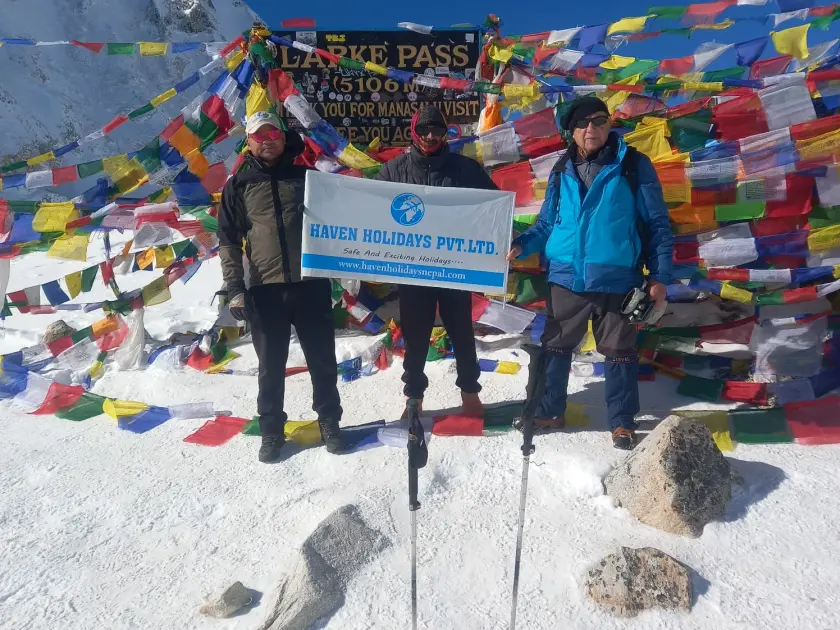
Philim Village: Terraced Fields, Traditions, and Gurung Heritage
Visit Philim Village (1,500m) in Manaslu Circuit Trek. Find life in landslide zones. Get to feel Himalayan culture.
Firstly, Philim Village (1,500m), which is an example of the combination of nature and Gurung culture, is part of the Manaslu Circuit Trek (177 km). Rice terraces, houses made of stones, and the local rituals depict the ancient practice of farming. The cultivation of corn, millet, and potatoes by the locals demonstrates the sustainable life in the Himalayan regions.
Further, the village maintains traditional Gurung architecture, such as homes topped with slate and wooden carvings. There are also opportunities to view Mani walls, prayer flags, and stone chortens for those trekking. Cultural photography in this region provides views of how nature is intertwined with culture, adding to the trekking experience.
Moreover, the homestay systems within Philim provide an opportunity for treks to experience immersion within local culture. Activities undertaken by guests include learning the process of making local foods, tasting buckwheat bread, and consuming butter tea. These activities help increase an understanding of the culture of the place
In addition, Philim Village is a place for rest and acclimatization prior to going to other higher-altitude villages such as Deng (1,860m) and Namrung (2,630m). Hike participants learn about village festivals, music, and dance performances conducted during Lhosar or Mani Rimdu.
Finally, Philim is a demonstration of how culture and agriculture are connected in the Manaslu Region. To experience this culture, guided tours provide an opportunity to engage with this cultural environment. Therefore, Philim Village is an important part of cultural immersion and adventure travel on a Manaslu Circuit trek.
Ghap & Namrung: Ancient Homes & Mani Walls
Find the village of Ghap (2,010m) and Namrung (2,630m) while trekking the Manaslu Circuit Trek. Learn the history and culture behind the old dwellings.
First of all, both Ghap (2,010m) and Namrung (2,630m) provide insight into actual Himalayan village cultures along the Circuit Trek (Manaslu Trek; 177 km). Here, ‘hikers see traditional stone houses with wood-fired balconies and ethnic Tibetan-Mani walls.’ These cultural elements contribute to cultural heritage during high-altitude trekking experiences.
In addition, there is Ghap, which serves as a link for trekkers to Lho (3,180m) and Samagaon (3,530m). The prayer flags, chortens, and markets are the ways in which the culture of the surrounding areas can be identified. The rituals, photography, and cuisine are the experiences of the tourists.
In addition, Namrung (2,630m) displays alternate views of Manaslu (8,163m) and Ganesh Himal (7,422m). Likewise, trekkers experience authentic encounters with the locals while viewing traditional ceremonies, music, and dancing.
Moreover, Mani walls and chortens on the way from Ghap to Namrung signify protection on the spiritual path. Monks and locals look after holy sites by holding religious performances, chanting, and worshiping. Trekkers learn about Tibetan philosophical views, admiring local skills.
Lastly, Ghap and Namrung are the exemplars of how culture, architecture, and spirit are in complete synchronization in the Manaslu region. Trekkers get to live the experience firsthand as they get to visit the local communities by staying in their houses as guests. In turn, these villages become important stops on the Manaslu Circuit Trek as they are vital in exposing travelers to the cultural heritage of Tibet Buddhism.

Monasteries on the Manaslu Circuit: Centers of Faith
The Manaslu Circuit Trek offers a chance to discover spiritual centers, Tibetan Buddhist rituals, and high-altitude villages' cultural heritage.
Here, the Manaslu Circuit Trek is hugely supported with monasteries, which are centers of Tibetan Buddhist faith. Villages such as Samagaon, Lho, and Samdo boast Gompas that are revered by locals and trekkers alike. Centuries-old rituals of chanting and the use of prayer wheels have been preserved in these monasteries.
More to this, the Samagaon Monastery has a height of 3,500 meters and offers an interactive experience where monks perform daily rituals, chanting sutras, and copying sacred texts. Visitors observe butter lamp arrangements and prayer flag arrangements, which symbolize protection and blessings.
Further, Lho Gompa lies at an altitude of 3,180 meters, while Samdo Monastery is at 3,860 meters, showcasing Tibetan Buddhist architectural heritage. The construction of these monasteries reveals stone walls, wooden carvings, and colorful murals illustrating different aspects of Buddhist deities. Such sights offer great avenues for photography, journaling, and guided storytelling that enhance cultural understanding while highlighting the traditions of the Himalayas. Actually, these monasteries also host various festivals, such as Mani Rimdu and Saga Dawa, which are other reasons trekkers go on these journeys for an experience in culture. Mask dances, ritual offerings, and communal gatherings bring the philosophy of Tibetan Buddhism into practice.
Finally, Manaslu Circuit monasteries act as much more than spiritual centers; they link trekkers to the local culture, history, and faith. Meaningful engagement is developed with guided visits, homestay interactions, and respectful observation of rituals. These numerous monasteries enrich the trek with a mix of adventure and the essence of Tibetan Buddhist culture.
Pungyen Gompa: Spiritual Heart Above Samagaun
Stop by Pungyen Gompa at an elevation of 3,700m above Samagaun on the Manaslu Circuit Trek and get an immersion into a devout Tibetan Buddhist ritual and panoramic views.
Meanwhile, Pungyen Gompa, at 3,700 meters, overlooks Samagaun, which lies at 3,530 meters, and forms a spiritual center of the Manaslu Circuit Trek, a route 177 kilometers long. This far-flung monastery offers a wide vista of Mount Manaslu at 8,163 meters and other surrounding peaks of the Himalayas. Thus, trekkers witness not only spiritual rituals but also breathtaking landscapes-a combination of adventure with cultural enrichment.
Besides this, the Gompa arranges daily praying rituals, offering butter lamps, and chanting by the resident monks. Trekkers can witness these religious activities in a respectful manner, which helps teach them a lot about the concept of Tibetan Buddhist thought.
Likewise, Pungyen Gompa also boasts traditional Tibetan architecture with stone walls, wood carvings, and painted murals that attest to centuries of religious devotion and craftsmanship, adding cultural variety to high-altitude trekking.
Moreover, the strategic location of Gompa overlooking Samagaun permits trekkers to connect with villages around, such as Samdo (3,860m) and Dharmasala (4,460m), all the time seeing prayer flags fluttering against snow-capped peaks. Photography, journaling, and guided tours present an opportunity to document spiritual and natural beauty simultaneously.
Now, Pungyen Gompa represents the synthesis of faith, culture, and landscape along the Manaslu Circuit Trek. In this place, trekkers experience spiritual awakening, cultural understanding, and Himalayan adventure all at once. Therefore, a visit to Pungyen Gompa guarantees an enriching, responsible, and memorable trekking experience.
Ribung Gompa in Lho: Prayer, Peace & Perspective
Visit Ribung Gompa (3,200m) in Lho during the Manaslu Circuit Trek and make sure you get a glimpse of the Tibetan Buddhist prayers coupled with serene landscapes and spiritual perspectives.
Actually, Ribung Gompa, at 3,200 meters in the hamlet of Lho 3,180 meters above sea level, forms one of the pivotal spiritual landmarks on the Manaslu Circuit Trek, a route approximately 177 kilometers long. A blend of prayer and meditation with Himalayan architecture, this monastery appeals to both a trekker and a local devotee. Thus, tourists learn about Tibetan Buddhist philosophy on high-altitude culture.
Besides, monks at Ribung Gompa execute daily chanting, butter lamp offerings, and prayer wheel rotations. Gentlemen visitors can join the rituals with a respectful manner, observing the sacred ceremonies and teachings of Buddha.
Additionally, the monastery stands representative of centuries of Tibetan influence in its architecture. Stone walls, carved woodwork, and colorful murals illustrate Buddhist legends and deities. Photography and journaling here capture cultural and scenic beauty to enhance trekking stories.
Moreover, Ribung Gompa offers the all-round view of Mt. Manaslu-8,163m and its surrounding peaks, including Ganesh Himal-7,422m. The trekkers combine spiritual exploration with scenic observation, creating a unique perspective in the Himalayan Landscapes.
Finally, Ribung Gompa at Lho represents a synthesis of prayer, peace, and perspective on the Manaslu Circuit Trek. Spiritual growth, cultural awareness, and mountain adventure in one place are why visitors come here. This Gompa deserves to be one of the important stops for responsible trekking and cultural appreciation.
Off-the- Beaten Trail, Hidden Gompas & Meditation Caves
Walk on the less crowded paths to explore the hidden Gompas and meditation caves of the Manaslu Circuit Trek; feel the seclusion from Tibetan Buddhist spirituality and raw Himalayan culture.
Meanwhile, the Manaslu Circuit Trek is famous for its hidden Gompas and meditation caves along routes that very few people take. Villages such as Samdo (3,860m), Lho (3,180m), and Samagaon (3,530m) give the trekkers access to these spiritual retreats. Due to this, trekkers are able to meditate in secluded areas, join prayer rituals, and enjoy the culture not found on the busy trails.
Besides, these caves are the meditation sites for monks and spiritual practitioners. Visitors observe ancient practices, including chanting, silent meditation, and ritual offerings. Such experiences foster mindfulness, cultural understanding, and Himalayan spirituality.
Further, the cloistered Gompas reveal traditional Tibetan architecture and treasured sacred artifacts. Centuries-old devotion echoes in stone-walled and wooden-carved walls or colored thangkas. In turn, active trekkers find uncommon chances to take part in real photography, cultural storytelling, and learning from the guides themselves.
Additionally, many of these sites are reached by trekking on often breathtakingly beautiful trails lined with terraces and high-altitude views. Mountains such as the Mt. Manaslu-8,163m and Ngadi Chuli-7,871m form a backdrop to meditation caves and hidden Gompas.
Finally, several numbers of various unseen Gompas and meditation caves make Manaslu Circuit Trek a perfect blend of adventure and cultural deep engagement. Trekkers gain spiritual insight into supporting the local traditions and responsible Himalayan isolation.
Prayer Wheels, Chortens & Mani Walls: Symbols of Blessings
Explore prayer wheels, chortens, and mani walls found in the Manaslu Circuit Trek. These are Tibetan Buddhist symbols of blessing.
Firstly, the Manaslu Circuit Trek is filled with Tibetan Buddhist symbols such as prayer wheels, chortens, and Mani walls at villages like Jagat (1,410m), Ghap (2,010m), and Namrung (2,630m). Such religious monuments symbolize protection, field of merit, and blessings towards trekkers and villagers alike. Therefore, experiencing and participating in these enhances cultural awareness.
In fact, the prayer wheels situated in monasteries such as Samagaon Gompa (3,500m and Lho Gompa (3,180m in the Annapurna Circuit spin in a clockwise direction to bless the devotees and bring in good energies. The chortens and Mani walls flanked by colorful prayer flags signify the spiritual routes and pilgrimages.
Moreover, these walls and monuments showcase the art and devotion of the Himalayan region over the years. Mani walls are laden with stones bearing carvings of chanted mantras, and chortens symbolize enlightenment and safeguarding. When trekkers capture pictures and learn about these symbols, they also understand the philosophy of “Tibetan Buddhism.”
In addition, festivals like Lhosar, Saga Dawa, and Mani Rimdu illustrate the importance of these symbols. People participate in rituals like monastery dances, prayers, and communal meals, focusing on the spiritual aspect.
Finally, prayer wheels, chortens, and Mani walls within the route itself contribute as a means beyond mere religious objects; they represent connectivity between tourists and cultural and spiritual heritage from Tibetan Buddhism and Himalayan creativity as well. Thus, appropriate engagement and cultural sensitivity improve both trekking experiences and comprehension regarding Tibetan Buddhism.
Sama Gaun: Cultural Heart Prior to the High Himalayan Altitude
Visit Sama Gaun (3,450m) - the cultural heart of Manaslu Circuit Trek. Experience the living tradition of Tibetan Buddhism, highland life, and mountain culture.
First, the culture hub in Manaslu Circuit Trek is Sama Gaun (3,450m), followed by the Himalayan regions of Samdo (3,860m) and then Dharmasala (4,460m). The village displays examples of Tibetan-Buddhist architecture, prayer flags, and festivals, adding to the trekking experience of the region. As a result, trekkers acquire spiritual knowledge as well as experience of the culture of the high Himalayan ranges of Asia.
Moreover, Sama Gaun offers homestay experiences that provide not only meals but also experiences of village life. This involves training on farming practices in the village, experiencing buckwheat bread and butter tea, and experiencing Lhosar festivals.
Moreover, the village provides a religious, as well as an acclimatization, point prior to the mountain sections of the Manaslu Circuit Trek. In this context, religious sites like the Pungyen Gompa (3,700m) lie above the village, adopting Sama Gaun, which provides stunning views of Mt. Manaslu (8,163m) and adjacent peaks.
Moreover, Sama Gaun is also home to Mani Walls, Chortens, and Prayer Wheels that have been influenced by Tibetan Buddhism for many centuries.
Lastly, Sama Gaun represents the amalgamation of culture, spirituality, and living at higher altitudes in the Manaslu Circuit Trek. Trekkers experience living in actual villages in the Himalaya while also preparing for more adventurous routes that lie ahead. Sama Gaun therefore continues to be an important cultural and acclimatization stop, characterized by mixtures of adventure, spirituality, and Tibetan Buddhist culture.
Samdo Village: Tibetan Heritage on the Border
Enjoy the charm of Samdo Village, situated at 3,860m, near the border of Nepal and Tibet, on your Manaslu Circuit Trek with Tibetan heritage and high-altitude culture, blending together with the local traditions.
It is situated close to the border between Nepal and Tibet, Samdo Village lies at an altitude of 3,860m above sea level and is a cultural entrance for the Manaslu Circuit Trek, which is 177km long. It retains very accurate Tibetan culture in terms of architecture, dress, and other daily aspects. Thus, trekkers learn about the local way of life, spiritual customs, and experience cultural immersion at a high altitude.
Additionally, Samdo boasts stone and timber houses, prayer flags, and Mani walls, representative of centuries-old Tibetan-Buddhist influence. Tourists can see monks performing rituals and spinning prayer wheels, and learn about spirituality.
Besides, homestays and teahouses in Samdo also provide local food items like buckwheat bread, tsampa, and butter tea. The trekking people also join the cooking, farming, and celebration of festivals, which again shows hands-on cultural experience. Additionally, Samdo acts as an acclimatization center for other higher parts, such as Dharmasala at 4,460m and Larkya La Pass at 5,160m. The trekkers will not only learn about the culture but also get prepared physically for the high-altitude trek.
Finally, Samdo Village represents the Tibetan culture, high-altitude way of living, and religious importance. Visitors learn about it, respect the local culture, and frame views of the Himalayas for cultural and adventure treks. Therefore, Samdo continues to be one of the most important stops for trekkers along the Manaslu Circuit Trek.
Tsum Valley: Ancient Traditions and Tsumba Culture
Walking in Tsum Valley [1,500-3,500m], learn about the culture of the Tsumba people during your Manaslu Circuit Trek. Observe traditions that go way back to ancient times, Tibetan-Buddhist heritage, and villages in the Himalayas.
Tsum Valley itself (1,500-3,500m) is a culturally important area along the Manaslu Circuit Trek of 177 km with the Tsumba people residing there. This valley preserves ancient Tibetan-Buddhist traditions, sacred monasteries, and unique village lifestyles. In this regard, the authentic cultural spiritual practices along with the Himalayan heritage are what trekkers can experience.
Besides, Mani walls, prayer flags, and chortens are the special features of Chhokang Paro, Chumling, and Mu Gompa villages starting from 2,500m, 2,600m, and 3,500m respectively. The local festivals observed in the entire region include Lhosar and Buddha Jayanti, which highlights dances, rituals, and communal gatherings.
Additionally, homestays in Tsum Valley provide firsthand insight into Tsumba daily life. Here, trekkers learn local farming, cooking, and weaving while interacting with residents to further cultural understanding and sustainable tourism. Trekkers will learn about the local farming, cooking, and weaving while interacting with the residents. These activities contribute to furthering cultural understanding and sustainable tourism.
More importantly, the monasteries and meditation caves of Tsum Valley bring out a full circle of spiritual learning. Pubsang Gompa, at 3,200 meters above sea level, and Rachen Gompa, at 3,400 meters above sea level, are quiet places to reflect and garner insight into Tibetan-Buddhist philosophy.
Finally, Tsum Valley combines natural beauty, age-old traditions, and high-altitude culture. Visitors acquire deep knowledge of Tsumba heritage and local communities with Himalayan adventure. Thus, it remains an important section in terms of culture and spiritual importance along the Manaslu Circuit Trek.
Everyday Mountain Life: Yak Herding, Farming & Culture
Experience the day-to-day life of the mountain regions on our Manaslu Circuit Trek. Learn about yak grazing, high mountain farming, and the culture of Tibetan Buddhism.
Firstly, the Manaslu Circuit Trek (177 km) offers a glimpse into mountain village life, such as that in Samagaon (3,530m), Samdo (3,860m), and Dharmasala (4,460m). Yak herding, farming, and livestock grazing remain an important part of the Himalayan lifestyle. As such, one gains an appreciation for the interrelation between existence, culture, and high-altitude geography.
In addition, yak-herding serves as the source of milk, meat, as well as wool, available to the locals. Trekkers get to enjoy the live example of yak-herding as they witness the yak-herders leading their yaks to graze in high-altitude pastures, influenced by the majestic background of Mount Manaslu (8,163m) or Ngadi Chuli (7,871m) mountains.
Likewise, terraced farming is a common feature of lower to mid-range villages such as Jagat (1,410 m) and Philim (1,500 m). Farmers from such villages grow millet, buckwheat, and potatoes using traditional methods that have been perfected over the centuries. Trekkers have an opportunity to engage in either plantation or harvesting activities. Terraced farming, Himalayan agriculture, and trekking aid search rankings.
In addition, there are Tibetan-Buddhism traditions in mountain life, such as rituals and festivities. Mani walls, chortens, and prayer flags are expressions of faith incorporated into work and daily life.
Lastly, the experience that one gets when trekking the Manaslu Circuit allows one to witness the power and resilience of the mountain culture. Thus, participating in guided tours and staying with the locals not only ensures that the culture is treated with respect, but the activities like herding, farming, and culture are essential to the cultural diversity found in the region. Keywords: Himalayan lifestyle, cultural immersion, and mountain culture.
Losar – Celebrations of the Tibetan New Year
Losar or Tibetan New Year celebration on the Manaslu Circuit Trek. Witness the rites and dances of Tibetan culture in the Himalayan villages.
First, the Tibetan New Year, known as Losar, takes place in villages such as Samagaon (3,530m), Lho (3,180m), and Namrung (2,630m) on the Manaslu Circuit Trek (177 km). This ceremony symbolically inaugurates the lunar calendar. As a direct result, trekkers get an authentic feel of the Tibetan culture, which has strong roots in the Himalayan region.
Also, the villagers offer traditional foods like buckwheat bread, butter tea, and tsampa. Masked dances, singing, and religious rituals also form an essential part of bringing the community together.
Furthermore, the presence of monasteries such as Samagaon Monastery (3,500m), and Lho Gompa (3,180m), is crucial in the town of Losar. The monks in these monasteries carry out prayers, rituals, and masked dances that symbolize the continuance of the philosophy in the Tibetan form of Buddhism. The trekkers can understand the symbolic meaning in spiritual rituals.
Additionally, Losar festivities may involve hoisting prayer flags, offering chortens, and engaging in games at a village level. All these points highlight cultural traditions and communal integration as experiences for tourists.
Lastly, observing Losar during the Manaslu Circuit Trek allows trekkers to experience the culture of the Himalayas at higher elevations. Participating in cultural practices like festivities and meals allows for immersion in the culture. Therefore, Losar still plays an important role in cultural experience for understanding Tibetan culture and the traditions surrounding the mountains.
Dhachyang &Yartung Festivals: Horses, Dance & Community Spirit
Participate in Dhachyang and Yartung festivals in the Manaslu Circuit Trek. You can enjoy horse races, local dances, and cultural life of the Himalaya.
Meanwhile, the Dhachyang and Yartung festivals are held in the high-altitude villages of Samdo (3,860m and Dharmasala (4,460m above sea level), which come under the Manaslu Circuit Trek (177 km). The significance of these festivals includes horse racing, cultural dance, and social gathering, which is rooted in Himalayan traditions for centuries. Therefore, trekkers experience cultural awareness and social celebrations. Keywords: Dhachyang festival, Yartung festival, and Himalayan traditions.
In addition, the festivals see the locals decorating horses with colorful decorations and conducting energetic races on alpine meadows. The villagers engage in mask dancing, singing traditional songs, as well as community feasting.
In addition, these festivals serve to promote unity in the community and maintain cultural heritage. Mani walls, prayer flags, and chortens create sacred backgrounds for religious activities performed in connection with these festivals. Trekkers take photos, hear stories, and engage in an appropriate manner with residents.
Moreover, engaging in or witnessing these festivals also give trekkers an insight and understanding of the mountain lifestyle of high-altitude areas. Yak grazing, farming, and animal husbandry can be added to the culture associated with the celebration of Dhachyang and Yartung. The inclusion of keywords like mountain lifestyle, yak grazing, and Himalayan culture is an added advantage.
Finally, the Dhachyang and Yartung festivals in Manaslu region are special occasions that combine adventure, culture, and religious meaning. Trekkers get to experience the culture, take memorable photos, and learn about Himalayan culture. Therefore, the Dhachyang and Yartung festivals play vital roles in cultural trekking during the Manaslu Circuit Trek. The Dhachyang festival, Yartung festival, and cultural trekking are keywords that signify such occasions.
Saga Dawa & Local Buddhist Ritual Days
Join the celebration of Saga Dawa and Buddhist Ritual Days while trekking around the Circuit of Manaslu. Enjoy prayer sessions, festivals, and Himalayan spirituality.
To start with, the local Buddhist Ritual Days like Saga Dawa are celebrated in villages like Samagaon (3,530 meters), Lho (3,180 meters), and Samdo (3,860 meters), which form a part of Manaslu Circuit Trek (177 km). These celebrations include festivities relating to Buddha's birth, achievement of enlightenment, and death. Therefore, this makes trekkers have an insight into cultural practices, especially among Tibetans.
Additionally, there are rituals conducted by villagers such as circumambulation around walls of Mani, offering butter lights, and reciting sutras. Monks assist in conducting these activities from monasteries; however, offerings by villagers include food, incense, and prayers.
Moreover, these practices are accompanied by festivals, local music, and gatherings of local communities. Tibetan dances, prayer flags, and communal dinners are evidence of Tibetan Buddhism imbibed in the lifestyle of the mountains.
Moreover, Saga Dawa festival days are also great occasions for cultural photography and documentation. The panoramic view of the Himalayas in the form of Mount Manaslu (8,163m) and Ganesh Mountain (7,422m) is an impressive backdrop setting for observing the ritual.
Finally, Saga Dawa and the Tibetan-Buddhist Ritual Days combine spirituality, culture, and living in the higher reaches of the Himalayas. Trekkers engage in these events with due respect and humility, hence contributing to the local economy and offering consumers a deeper understanding of the culture. As a result, this practice remains an essential activity for immersion in culture and spirituality during the Manaslu Circuit Trek.
Harvest Ceremonies, Masked Dances & Village Gatherings
Experience the harvest festivals, masked dances, and vibrant village events during the Manaslu Circuit Trek. Discover the Tibetan-Buddhist culture and highland culture.
To begin, the harvest festivals on the Manaslu Circuit Trek, stretching 177 kilometers, take place in villages such as Jagat (1,410m), Philim (1,500m), and Samdo (3,860m). As these festivals represent the religious connection between agriculture and the community, the trekkers get an understanding of this aspect.
In addition, masked dances performed at harvest festivals signify deities, local myths, and protectorates. The locals, dressed in their traditional attire, conduct masked dances near chortens as well as Mani walls with the help of drums and religious music.
Moreover, community meetings in villages emphasize social unity, narration, and knowledge transmission among different generations. The elderly teach young people about farming, religious practices, and social norms, thus preventing the loss of cultural heritage. Trekkers who witness these community meetings can see how high-altitude life in the Himalayas goes on as usual.
Furthermore, opportunities to capture photos through documentation of cultures abound during such events. Scenic views of Mt. Manaslu (8,163m), Ngadi Chuli (7,871m), and Ganesh Himal (7,422m) offer beautiful settings for such festivities. Lastly, harvest ceremonies, masked dances, and village assemblies combine the religious, cultural, and social aspects of life at higher elevations. Harvest festivals are an essential part of the Manaslu Circuit Trekexperience, and trekkers get to experience these cultures in action through homestays and guided treks.
Therefore, harvest festivals and masked dances can be identified through the combination of the keywords harvest festivals, Tibetan-Buddhist culture, and cultural trekking.
Conclusion : How the Manaslu Trek connects Culture and Adventure
Learn about what makes Nepal's Manaslu Circuit Trek a cultural and adventure tour combined. Visit Himalayan villages and Tibetan Buddhist cultural heritage sites at high altitude.
To start with, the Manaslu Circuit Trek (177km) perfectly combines adventure trekking and culture through visits to Philim (1,500m), Sama Gaun (3,450m), and Samdo (3,860m) villages. Adventurers engage in tough trekking and, at the same time, engage with the Tibetan-Buddhist culture, witnessing their rituals and monasteries. Through this, both adventure and culture interact and result in an overall Himalayan experience during Manaslu Circuit Trek.
In addition, homestay, local guide, and village experience offer pragmatic exposure to Himalayan culture. Climbers acquire skills related to growing farm produce, herding yaks, and preparing local food while passing through challenging mountainous routes.
On the other hand, the monasteries, prayer wheels, mani walls, and chortens that line the trail give trekkers a sense of spiritual and cultural connections to this land. The Buddhist festivals of Losar, Dhachyang, and Saga Dawa are Additional factors that add colors and meanings during trekkings in this land.
Moreover, high-altitude adventure activities like passing Larkya La Pass (5,160 m) and reaching Manaslu Base Camp (4,580 m) add adventure to the trip. Breathtaking views of Mount Manaslu (8,163 m), Ngadi Chuli (7,871 m), and Ganesh Himal (7,422 m) generate thrilling trekking experiences.
Finally, the Manaslu Trek is an apt example of the complementary existence of culture and adventure in the Himalayas. In the Manaslu Trek, the trekker undergoes experiences of spiritual development, an understanding of culture, and adventure or trekking related to the Himalayas. In short, the Manaslu Circuit Trek is a top-notch adventure experience of the Himalayas entwined with its Buddhist culture.
Note: This article originally appeared on the Haven Holidays Nepal Blog and has been republished here with permission..
About Haven Holidays Nepal: Haven Holidays is a locally based trekking company in Kathmandu, offering tailor-made adventures to Nepal’s most iconic destinations including Annapurna Base Camp, Everest Region, Manaslu Circuit, and Langtang Valley. Visit us at www.havenholidaysnepal.com
| Concerned URL | https://www.havenholidaysnepal.com/blogs/cultural-insights-on-manaslu-circuit-trek |
|---|---|
| Address | |
| Source | https://www.havenholidaysnepal.com/blogs/cultural-insights-on-manaslu-circuit-trek |
| Keywords | Manaslu Circuit Culture |
| Target group(s) | Businesses , Travellers |
| Topics | Climate Change - Energy and Resource Efficiency , Cultural Heritage, Life Styles & Diversity , Destination Management , Good Governance & CSR , Human Rights & Labour Rights , Knowledge Networking, Training and Education , Natural Heritage & Biodiversity , Travel, Transport & Mobility |